
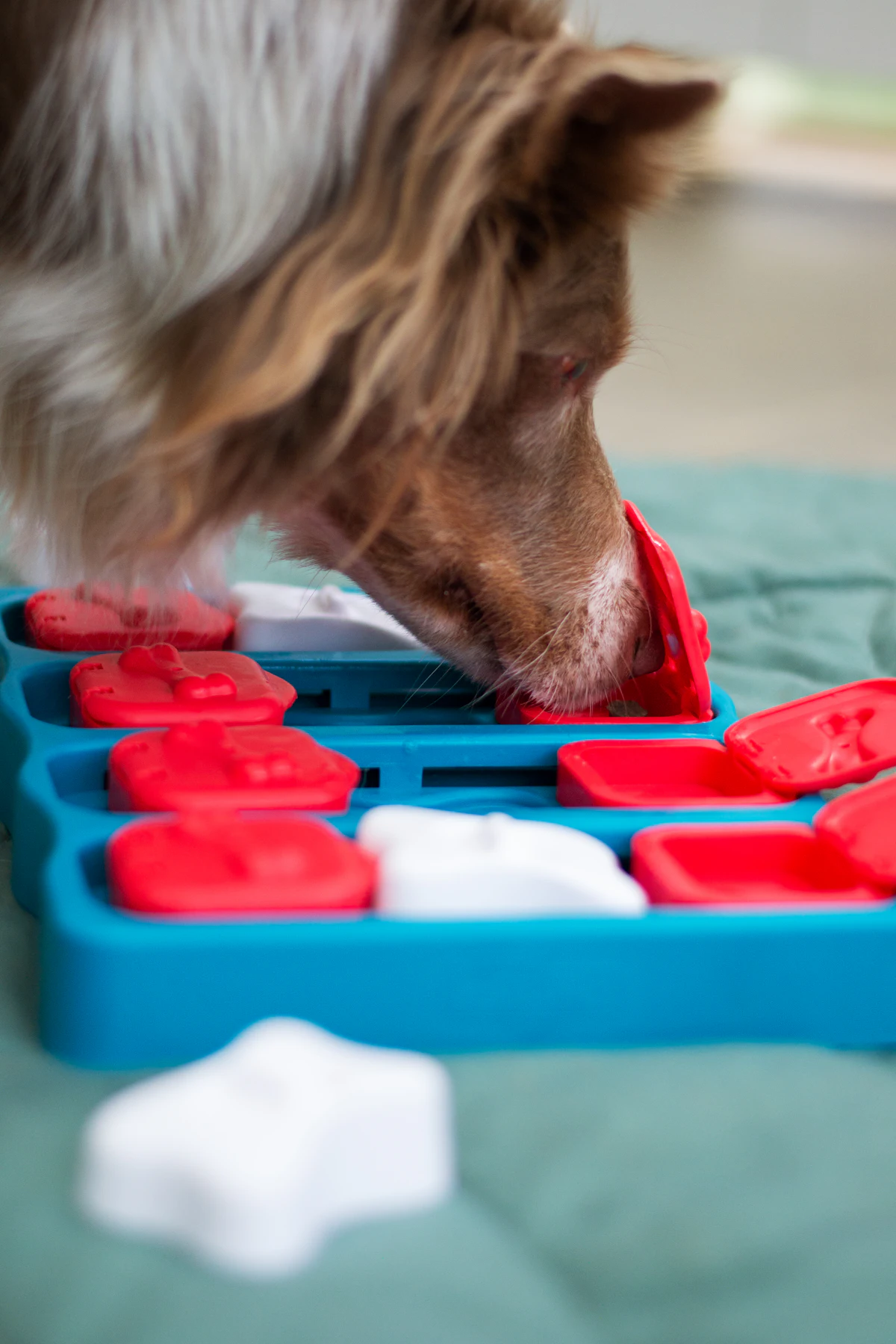

Quick answer: if you are asking what is dog enrichment, it means creating safe opportunities for a dog to use natural behaviors, their senses and their brain. Sniffing, searching, foraging, chewing, licking, exploring, training, play and social interaction can all be enrichment when the activity suits the individual dog.
Enrichment is not the same as keeping a dog constantly entertained. The goal is a more varied, appropriate daily life—not a schedule packed with stimulation from morning to night.
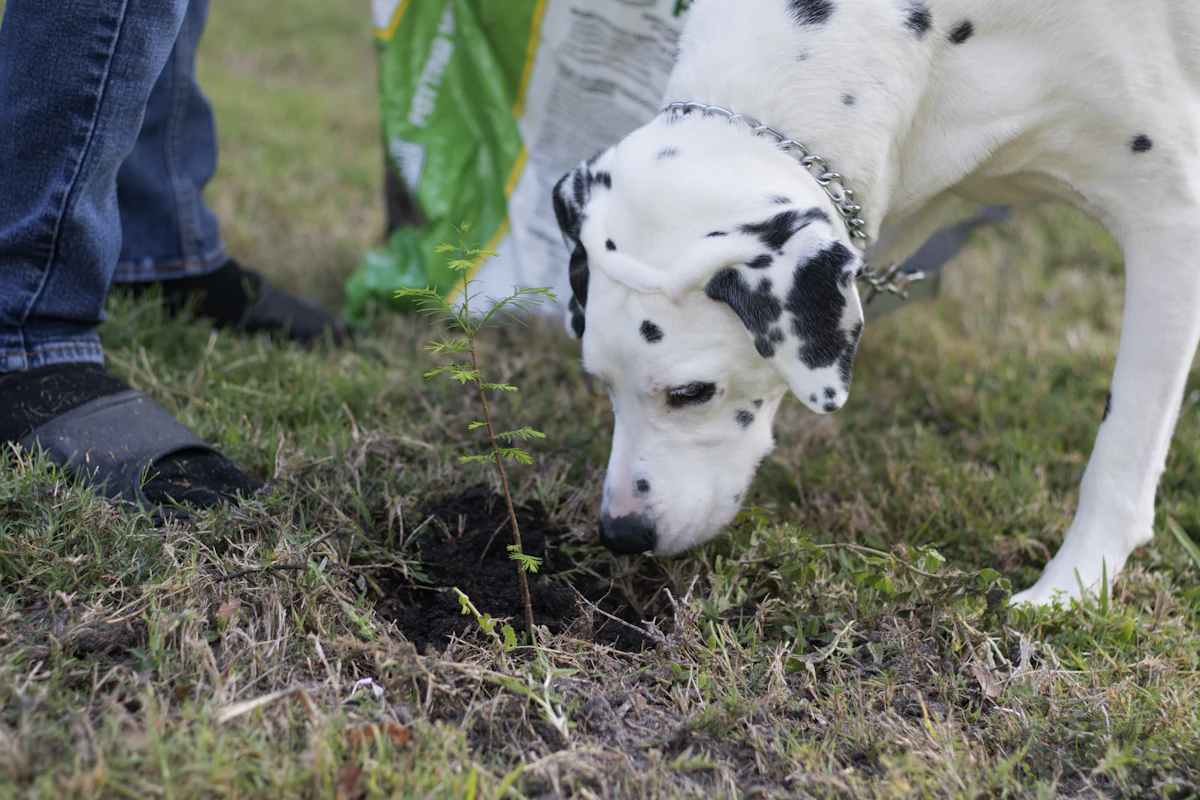
What does “dog enrichment” actually mean?
In practical terms, enrichment changes the environment or routine in a way that lets a dog do something meaningful. That could be searching for food instead of eating from a bowl, sniffing freely on part of a walk, learning a new behavior, exploring a new route, chewing an appropriate item or choosing between two activities.
The dog is the best judge of whether an activity is enriching. A puzzle toy that one dog loves may frustrate another. A busy dog park may be exciting for one dog and overwhelming for another.
Why enrichment matters
Domestic dogs live in human-designed environments. Food often arrives in a bowl, walks follow the same route, and many natural behaviors—digging, searching, shredding, chasing and exploring—are restricted for understandable reasons. Enrichment creates safer outlets for some of those behaviors.
It may help reduce everyday boredom and give a dog more appropriate ways to use attention and energy. It is not a treatment for pain, separation anxiety, aggression, compulsive behavior or other medical and behavioral conditions.
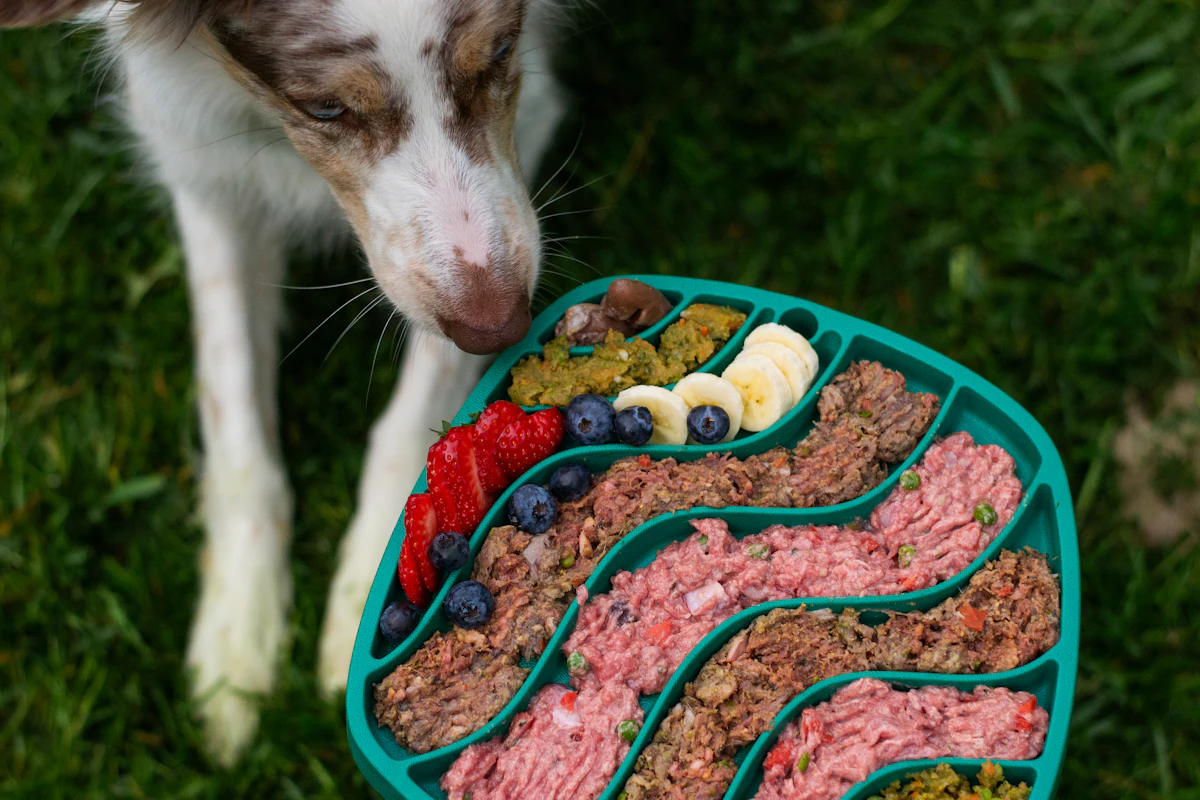
The 6 main types of dog enrichment
1. Sensory enrichment
Activities that involve smell, sight, sound, texture and environmental exploration. Sniffing is especially valuable because dogs gather a huge amount of information through scent.
2. Food and foraging enrichment
Scatter feeding, snuffle mats, safe food puzzles and stuffed toys turn part of a normal meal into an activity. Start easy so the dog learns how to succeed.
3. Cognitive enrichment
Training, object discrimination, shaping, simple puzzles and problem-solving games require the dog to think and make decisions.
4. Physical enrichment
Movement matched to the dog’s health and age—walks, controlled play, exploring varied terrain, low-risk obstacles and appropriate games.
5. Social enrichment
Positive interaction with familiar people or compatible dogs. Social enrichment does not mean every dog needs to greet unfamiliar dogs.
6. Calming enrichment
Chewing, licking, sniffing and relaxation routines can provide engagement without turning every activity into high-energy play.
What enrichment is not
- It is not buying a new toy every week.
- It is not making every meal difficult.
- It is not keeping a dog awake and busy all day.
- It is not forcing a nervous dog into “novel experiences.”
- It is not a substitute for exercise, sleep, medical care or behavior treatment.

How to start dog enrichment
Step 1: Identify what your dog already enjoys
Does your dog spend walks sniffing? Carry toys? Chew? Dig? Follow people from room to room? Work for food? Start with natural preferences instead of choosing an activity because it is popular online.
Step 2: Pick one easy activity
A simple “find it” search, loose food toy or short training game is easier to evaluate than introducing five new things at once.
Step 3: Make success obvious
For the first session, let your dog see where food goes or demonstrate how a toy releases rewards. Early success builds interest.
Step 4: Watch the dog, not the clock
Some dogs will work for fifteen minutes; others are finished after three. Stop while the dog is still comfortable.
Step 5: Add difficulty slowly
Change one variable at a time: hide food a little farther away, add one extra box or freeze a familiar food toy only after the basic version is easy.
How to tell if enrichment is working
Good enrichment usually looks voluntary and manageable. The dog engages, can pause, remains reasonably loose in body language and is able to disengage when the activity ends.
Frantic chewing, repeated barking at the puzzle, avoidance, tension, guarding or swallowing parts of the activity are signs to simplify or stop.
How often should you provide enrichment?
There is no single schedule that suits every dog. The easiest approach is to build enrichment into routines that already happen: meals, walks, play, short training sessions and settling time.
For example, one meal can become a scatter search, one walk can include ten minutes of unhurried sniffing, and a two-minute hand-target game can fit between normal household tasks.
A beginner week of dog enrichment
| Day | Activity | Time |
|---|---|---|
| Monday | Easy treat search | 5–10 min |
| Tuesday | Short training game | 5 min |
| Wednesday | Sniff-focused walk section | 10–20 min |
| Thursday | Simple food puzzle | 5–15 min |
| Friday | Toy play | 5–10 min |
| Saturday | New safe walking route | As appropriate |
| Sunday | Calm mat or chew routine | 10–20 min |
Common enrichment mistakes
Making puzzles too difficult
A difficult puzzle is not inherently better. If the dog cannot discover how to make progress, it becomes frustration rather than useful problem-solving.
Using too much extra food
When possible, use part of the dog’s measured daily food for enrichment rather than stacking treats on top of normal meals.
Assuming excitement equals success
Some of the most useful enrichment is quiet: sniffing, licking, chewing, slow exploration and relaxation practice.
Ignoring chewing style
Cardboard, fabric and plastic activities are not suitable for every dog. A dog that swallows materials needs a different setup.
Where to go next
If you want practical activities, start with 30 Dog Enrichment Ideas. For dogs that love using their nose, try 15 Sniffing Games for Dogs. On wet-weather days, use our indoor activity guide.
Frequently asked questions
Do all dogs need the same kinds of enrichment?
No. Age, health, confidence, breed tendencies, chewing style, food motivation and individual preference all influence what is useful.
Can a dog have too much enrichment?
Yes, if “enrichment” becomes constant arousal and the dog never gets enough sleep or downtime. Variety and recovery are both important.
Are puzzle toys necessary?
No. Walks, sniffing, training, play, exploration and safe social interaction can all provide enrichment without specialized products.
Further reading
The American Kennel Club’s scent-game guide is a useful example of simple enrichment built around natural sniffing behavior.
Dog enrichment should solve a real need
It is easy to reduce enrichment to a shopping list of toys, but that misses the point. Enrichment is most useful when it creates an appropriate outlet for something the dog naturally wants to do. A dog that loves to sniff may get more value from a slow exploration walk than from a difficult plastic puzzle. A dog that loves carrying objects may respond better to retrieve-and-deliver games. A dog that becomes highly aroused by chase may need more calming activities mixed into the week.
Preventive Vet’s enrichment guidance similarly frames enrichment around instinctive behaviors such as chewing, digging, hunting and scent tracking rather than around one category of product. That is a helpful standard because it keeps the dog—not the equipment—at the center of the decision. See Preventive Vet’s dog enrichment overview for another practical explanation of that approach.
Three questions to ask before adding an activity
- What behavior does this activity allow? Sniffing, searching, chewing, licking, carrying, problem-solving or something else?
- Can my dog succeed at the current difficulty? If not, simplify before adding more challenge.
- What happens after the activity? A useful routine should still allow the dog to settle, rest and move on normally.
Those questions make enrichment easier to evaluate than vague ideas such as “my dog looked busy” or “the toy lasted a long time.” Duration alone is not quality. An activity can be short and still be meaningful if it gives the dog an appropriate job and a clear path to success.