

Quick answer: sniff walks for dogs are walks where dogs are given appropriate time and space to investigate scents instead of being hurried continuously from one point to another. The goal is exploration, not maximum distance.
Sniff walks can make an ordinary route more mentally interesting without requiring special equipment or a new destination every day.
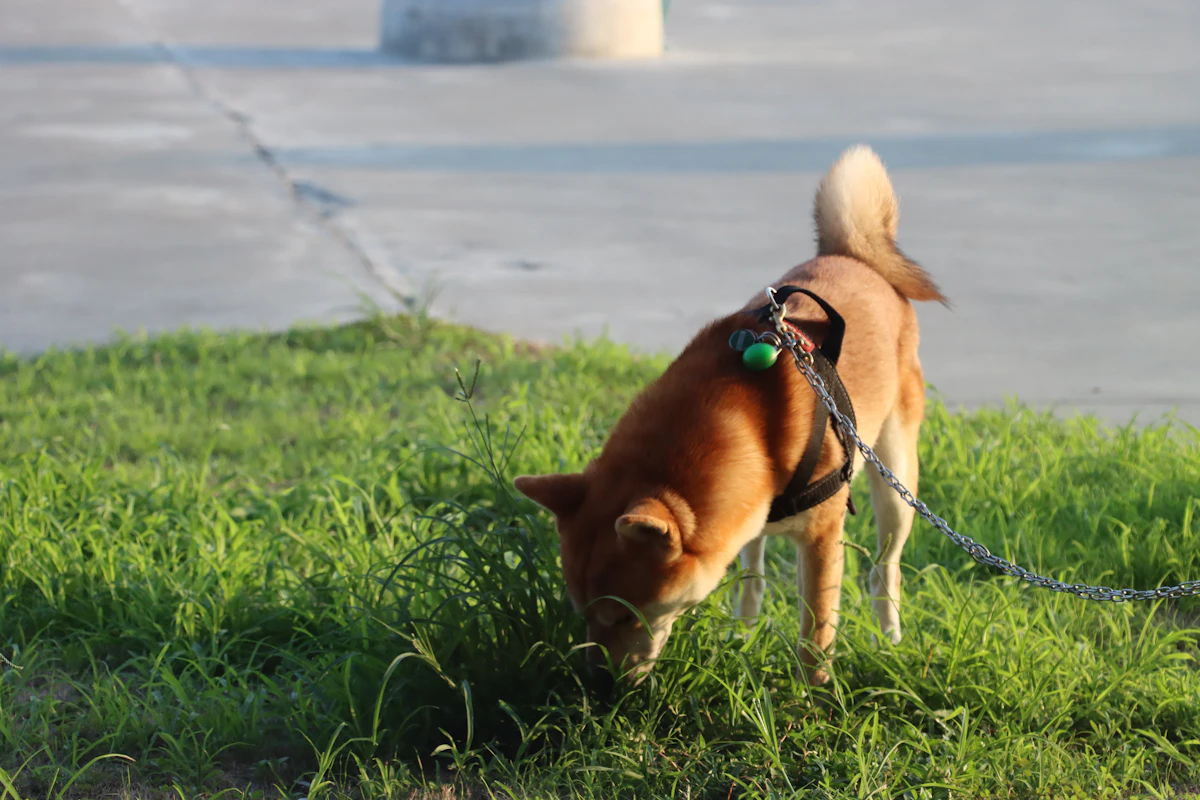
Why sniffing matters on walks
Dogs gather enormous amounts of environmental information through smell. A familiar street changes constantly as people, animals, weather, food and plants leave new scent information behind.
Allowing appropriate sniffing gives the dog time to process that information instead of treating a walk only as physical exercise.
What a sniff walk looks like
- A slower pace for part of the walk
- More pauses at safe scent spots
- Less emphasis on walking in a perfect straight line
- Some choice about direction when it is safe
- Clear boundaries around roads, hazards and other dogs
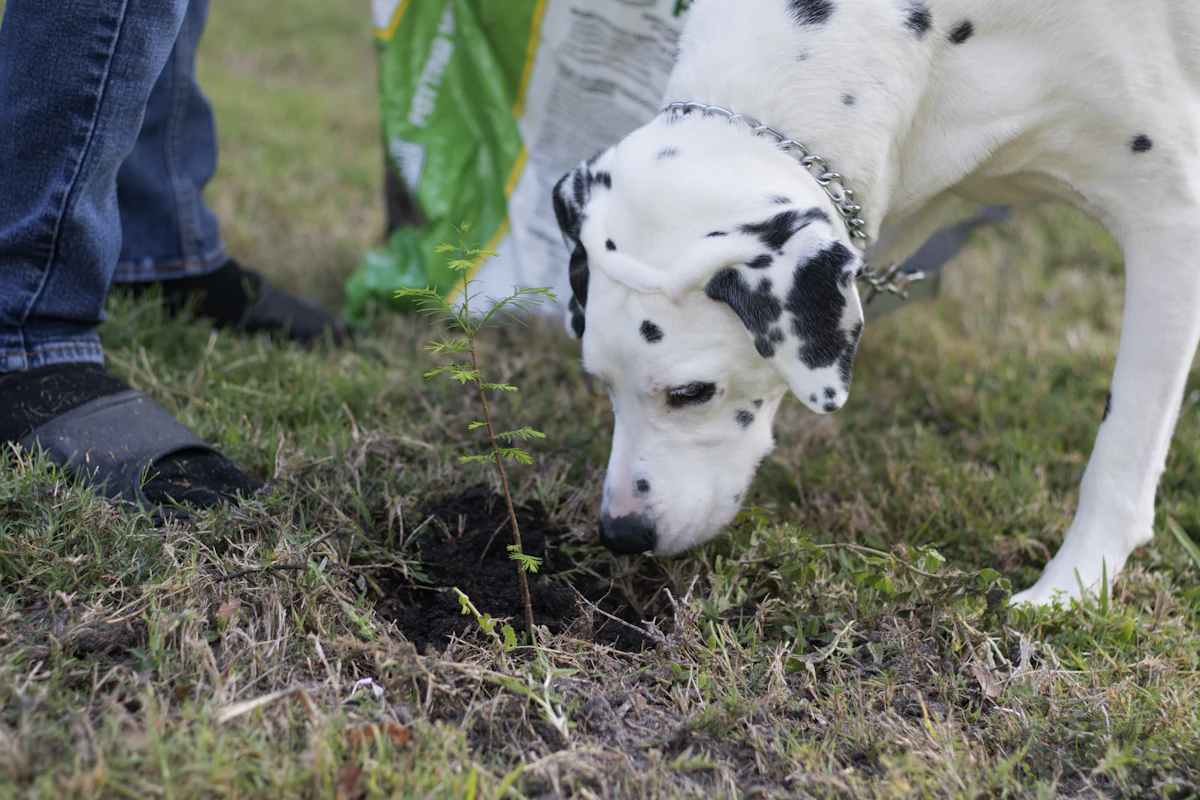
How to do a sniff walk
1. Choose a suitable location
Start in a quiet area with enough room to pause safely. Busy sidewalks, narrow paths and heavy traffic make relaxed sniffing harder.
2. Use secure equipment
Use a well-fitted harness or collar and leash appropriate for your dog. A longer leash can offer more freedom in suitable areas, but only if it can be handled safely.
3. Let the dog set part of the pace
You still make safety decisions, but you do not need to interrupt every sniff after one second.
4. Pause without pressure
If your dog is investigating a safe scent, allow a reasonable amount of time before moving on.
5. Vary the route occasionally
A different street, trail or direction creates new scent information without requiring a longer walk.
How long should a dog be allowed to sniff?
There is no universal rule. Some dogs investigate one patch for a few seconds while others spend longer. Balance exploration with movement and the practical needs of the walk.
A simple approach is to dedicate part of the walk—perhaps the first or last 10–15 minutes—to relaxed sniffing.
Can sniffing tire a dog out?
Scent work can provide meaningful mental engagement, but it is not a magical replacement for appropriate physical exercise. Think of sniffing as adding quality to the walk rather than replacing every other need.
What a sniff walk is not
- Permission to pull into roads.
- Permission to greet every dog.
- Permission to eat unknown objects.
- Permission to enter private property.
- A reason to ignore leash skills.
Sniff walks for puppies
Keep walks age-appropriate, short and low-pressure. Puppies can benefit from exploring new smells without needing long distances or repetitive high-impact exercise.
Sniff walks for senior dogs
Slower scent-focused walks can be especially useful when a senior dog still enjoys exploring but cannot comfortably cover the same distance as before.
Sniff walks for reactive dogs
Choose quiet times and locations with plenty of distance from triggers. Sniffing can be useful, but safety and behavior-management plans come first.
Should you use a long line?
A long line can provide extra exploration space in appropriate open areas where local rules permit it. Avoid crowded paths, roads and situations where the line could wrap around people, dogs or obstacles.
Common mistakes
- Trying to turn every walk into a slow sniff session when the dog also needs movement.
- Using a long line in unsuitable crowded places.
- Pulling the dog away from every scent immediately.
- Allowing sniffing near hazards or food waste.
A simple sniff-walk routine
| Section | Focus |
|---|---|
| First 5 minutes | Normal movement and toileting |
| Next 10–15 minutes | Relaxed scent exploration |
| Middle | Normal walking pace |
| Final 5 minutes | Calm sniffing and return home |
Related guides
Combine sniff walks with sniffing games at home, backyard enrichment and our broader dog enrichment guide.
Further reading
The American Kennel Club’s article on sniffing during walks provides useful additional context.
Frequently asked questions
Should I let my dog sniff whenever they want?
Not in unsafe situations. Roads, food waste, private property and interactions with other dogs still require human decision-making. The goal is more appropriate choice, not total freedom.
Is a sniff walk better than a normal walk?
They serve different purposes. A sniff-focused section adds sensory exploration, while a brisker section may provide more sustained physical movement. Many dogs benefit from both.
Why does my dog sniff more in some places?
Scent density changes with animals, people, weather, vegetation and recent activity. Some locations simply contain more information.
Can I teach a cue for sniffing?
Yes. Some owners use a phrase such as “go sniff” to signal when the dog has more freedom to investigate and another cue when it is time to move on.
How to balance sniffing with loose-leash walking
Sniffing does not require abandoning leash skills. You can distinguish between sections of the walk: structured movement near roads or crowded areas, and more exploratory sniffing in safer spaces. Clear context can make expectations easier for both dog and handler.
What equipment works best for sniff walks?
Use secure walking equipment that your dog already handles comfortably. A well-fitted harness can be useful for dogs that pull or spend time moving side to side while investigating. The leash should give enough freedom to lower the head and explore without creating a constant tangle.
How to add sniffing without making walks chaotic
Build predictable sections into the walk. For example, use a cue that means “walk with me” near roads and another cue that means “go sniff” in safer areas. Consistent context can help the dog understand when more exploration is available.
What if my dog wants to sniff every few inches?
You do not have to stop at every scent. Allow some longer investigations, then encourage movement between them. The aim is a balanced walk that includes both exploration and progress.
Weather and seasonal considerations
Hot pavement, extreme cold, heavy rain, foxtails, seasonal plants and other local hazards can change what makes a sniff walk safe. Adjust route, timing and duration to conditions rather than following a fixed routine.
Plan the sniff walk around the environment
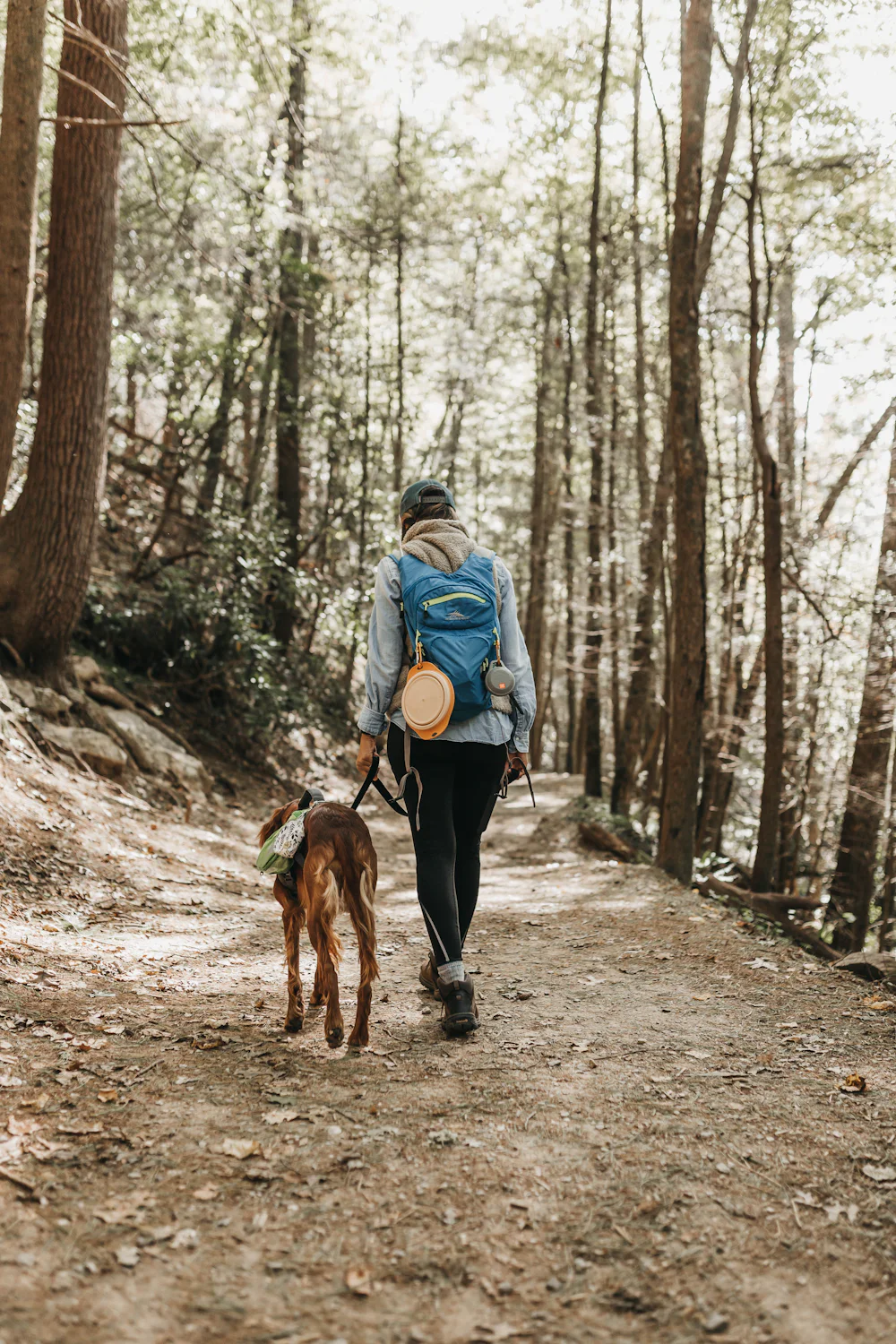
A quiet suburban street, a city sidewalk and a wooded trail create very different sniffing opportunities. In a busy urban area, you may need to keep the leash shorter near traffic and intentionally choose small green spaces for slower exploration. On a trail, you may have more room but also need to consider wildlife, long-line handling and local leash rules.
The AKC guide to sniff walks emphasizes the informational value of scent and the difference between destination-focused walking and exploration. PetMD’s scent-walk overview similarly explains that walking for elimination and exercise alone can miss an important sensory part of the experience.
Three realistic sniff-walk examples
- Apartment dog: five minutes of normal walking to a quieter patch of grass, ten minutes of relaxed sniffing, then a normal walk home.
- Senior dog: a shorter route with frequent scent stops and no pressure to maintain a brisk pace.
- High-energy adult: combine a sniff-focused first section with a more purposeful walking section so the outing includes both exploration and movement.
Those examples illustrate the main idea: sniff walks are not one rigid format. They are a way to give scent exploration a deliberate place inside an otherwise normal walk.