

Quick answer: a backyard becomes more enriching when it gives your dog something to investigate, search for, learn or choose—not simply when the dog spends more time outside.
You can turn an ordinary yard into a useful enrichment space with scent games, training stations, digging opportunities and supervised exploration.
Backyard safety first
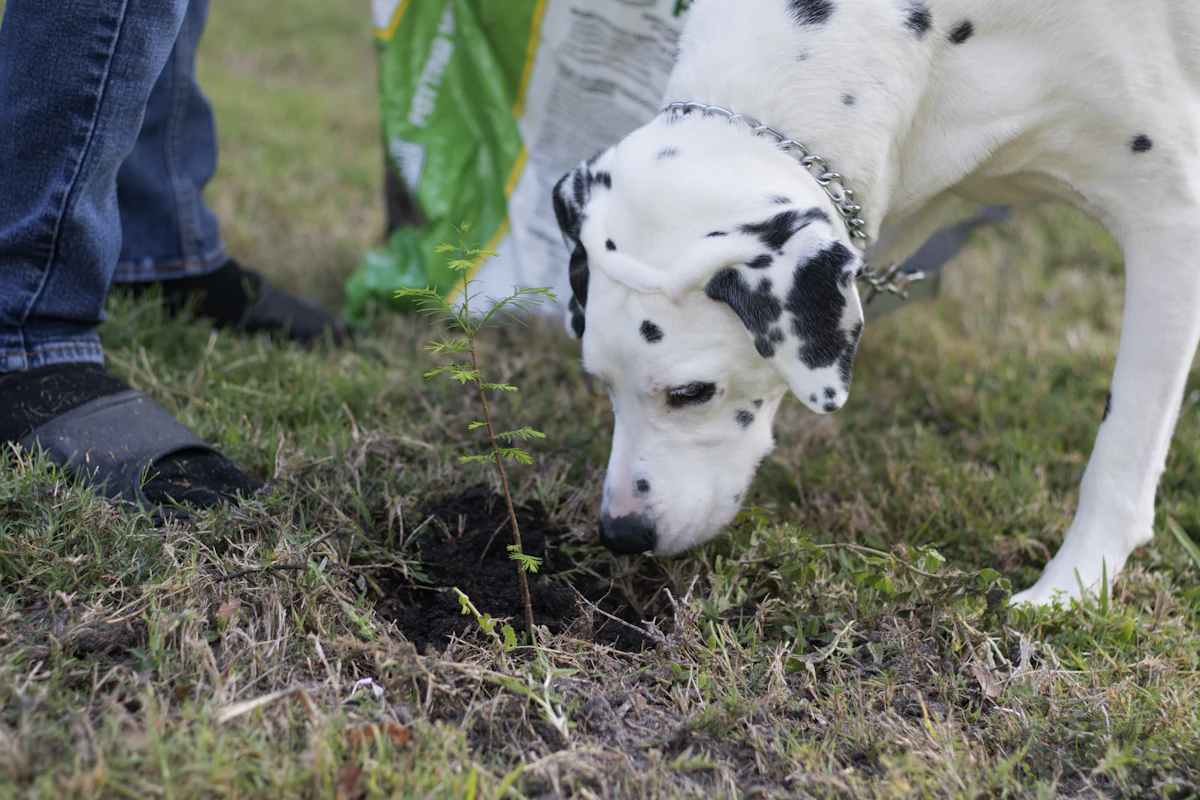
Before setting up activities, check fencing, gates, toxic plants, lawn treatments, standing water, sharp objects, wildlife risks and heat exposure. A familiar yard is not automatically hazard-free.
1. Scatter-search breakfast
Scatter part of a measured meal across clean grass in a secure area. Start with a small patch so food is easy to find.
2. Hidden-treat trail
Create a short scent trail leading to a final reward. Keep the first trail straight before adding turns.
3. Toy search
Hide a favorite toy partly behind a safe object and encourage your dog to locate it.
4. Sniff-and-stroll perimeter
Walk slowly around the yard with your dog and allow investigation instead of simply opening the door and leaving the dog outside alone.
5. Backyard training stations
Use different areas of the yard for different cues—touch near the door, place on a mat, recall from the fence line and a short stay near the patio.
6. Digging zone
For dogs that love digging, create one designated area with safe substrate. Bury a toy very shallowly at first to introduce the zone.
7. Find the person
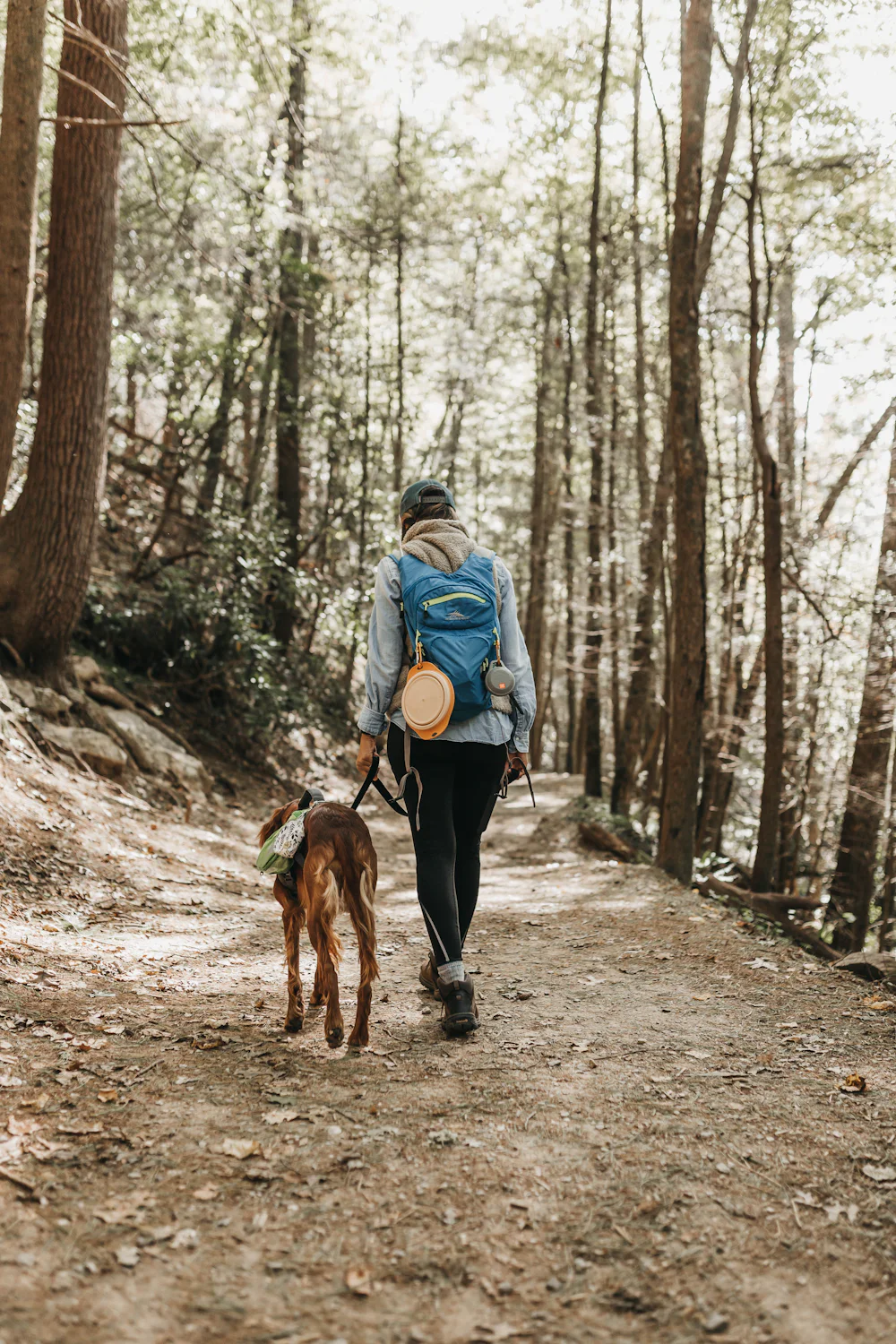
Hide behind a shed corner, tree or other safe obstacle while another person releases the dog to search.
8. Food-toy picnic
Serve part of a meal outdoors in an appropriate puzzle or stuffable toy. This combines environmental novelty with food enrichment.
9. Controlled tug
Use a suitable tug toy and practice start, pause and release cues. Grass often provides better traction than indoor flooring.
10. Recall game
Two people can call and reward the dog across the yard. Keep repetitions short and reward generously.
11. Scent-box station
Place several open boxes outdoors and hide food in one or two. Supervise dogs that chew cardboard.
12. Calm observation
For dogs that are comfortable outdoors, sit together and reward calm behavior while watching or smelling the surroundings.
13. Mini exploration route
Move boxes, cones or training stations to different safe locations so the yard is not exactly the same every session.
14. Texture walk
Guide your dog across naturally available safe surfaces such as grass, paving, a stable mat or a patch of soil.
15. Choice session
Offer two familiar activities—such as a scent search and tug—and let your dog choose what to engage with.
Backyard enrichment for small yards
You do not need a large garden. Scent games, food searches, training stations and digging tubs can all work in compact spaces if the setup is safe.
Backyard enrichment for high-energy dogs
Use variety rather than endless fetch. Alternate movement with nose work, training and calm observation so the yard does not become one continuous high-arousal space.
Backyard enrichment for senior dogs
Keep activities low-impact and close to the house. Easy scent searches, slow exploration and simple training can provide useful engagement without long distances.
How long should backyard enrichment last?
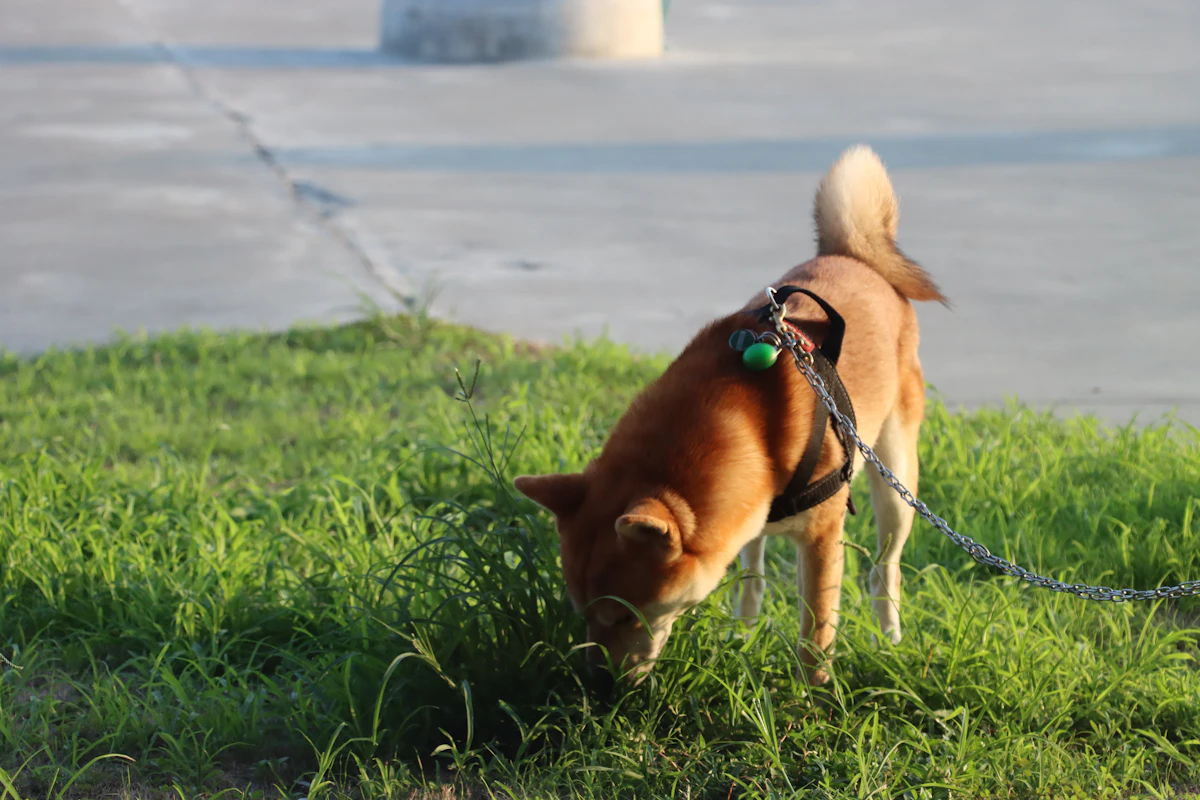
Several short sessions are often more useful than leaving a dog outside for a long period with nothing to do. Ten focused minutes can be plenty for scent or training activities.
Common mistakes
- Assuming the yard is enriching by itself.
- Using only fetch as the activity.
- Leaving food puzzles outside unsupervised.
- Forgetting heat, shade and water.
- Ignoring escape risks while setting up searches.
Related guides
Take the same ideas beyond the yard with Sniff Walks for Dogs, or add indoor variety with Indoor Dog Activities.
Frequently asked questions
Is being in the backyard automatically enrichment?
No. A familiar yard can become predictable. Enrichment comes from what the dog can safely do there—search, sniff, train, dig, explore or interact.
Can I leave puzzle toys outside?
Only according to manufacturer guidance and your dog’s known behavior. Many food toys and DIY activities are safest when supervised and removed afterward.
What can I do in a tiny yard?
Use scent searches, training stations, a digging tub, toy hides and calm observation. Enrichment does not require long running distances.
How can I keep the yard interesting without buying equipment?
Change the location of familiar activities, scatter part of a meal, create scent trails, practice recall from different points and use safe household objects as temporary search stations.
A simple 20-minute backyard session
Spend five minutes on slow sniffing, five minutes on a search game, five minutes on training or play, then finish with five minutes of calm observation or settling. Short varied blocks usually create more useful engagement than twenty minutes of repetitive fetch.
Seasonal backyard enrichment ideas
Change activities with the weather rather than forcing the same routine year-round. In hot weather, use short scent searches in shaded areas and avoid intense movement during peak heat. In cooler weather, longer exploration sessions may be comfortable if footing is safe.
How to prevent the yard from becoming boring again
Rotate locations rather than constantly buying equipment. Move the search area, change which corner holds the training station, alternate between food and toy searches, or use different walking patterns around the yard. Small changes create new information without turning the space into an obstacle course.
Backyard enrichment without food
Use toy searches, tug, recall, digging, texture exploration, scent trails made with a favorite toy and calm observation. Food is useful, but it should not be the only way your dog knows how to engage with the yard.
What if my dog only wants to patrol the fence?
If fence-running or barking becomes repetitive, move enrichment away from the boundary and work at a quieter distance. A search game closer to the house or a structured training station may help create a different pattern of behavior.
Turn the yard into different enrichment zones
Even a modest yard can feel more interesting when activities are assigned to different areas. One corner can become the sniff zone, another can hold a mat for calm observation, and a small patch can be the training area. If your dog likes digging, a dedicated soil or sand area can keep that activity from spreading across the whole garden.
| Zone | Purpose | Example |
|---|---|---|
| Search zone | Nose work | Scatter feeding or toy hunt |
| Training zone | Short learning sessions | Recall, touch, place |
| Movement zone | Controlled physical activity | Tug, low obstacle route |
| Calm zone | Observation and settling | Mat in shade |
Why “outside” is not the same as “enriched”
A dog can spend a long time in a backyard and still have very little to do. The useful question is not “How many hours was my dog outside?” but “What opportunities were available?” Sniffing, searching, training, exploring and interacting with you create much more value than simply leaving the door open.
That is why the strongest backyard dog enrichment ideas are usually simple and interactive. Rotate activities rather than building a permanent amusement park. A familiar yard becomes interesting when the dog has a new job within it.
Keep backyard sessions intentional
Changing one small detail is usually enough: a different search area, a new route around the yard or a short training station. You do not need to redesign the entire space to make outdoor time more meaningful.