
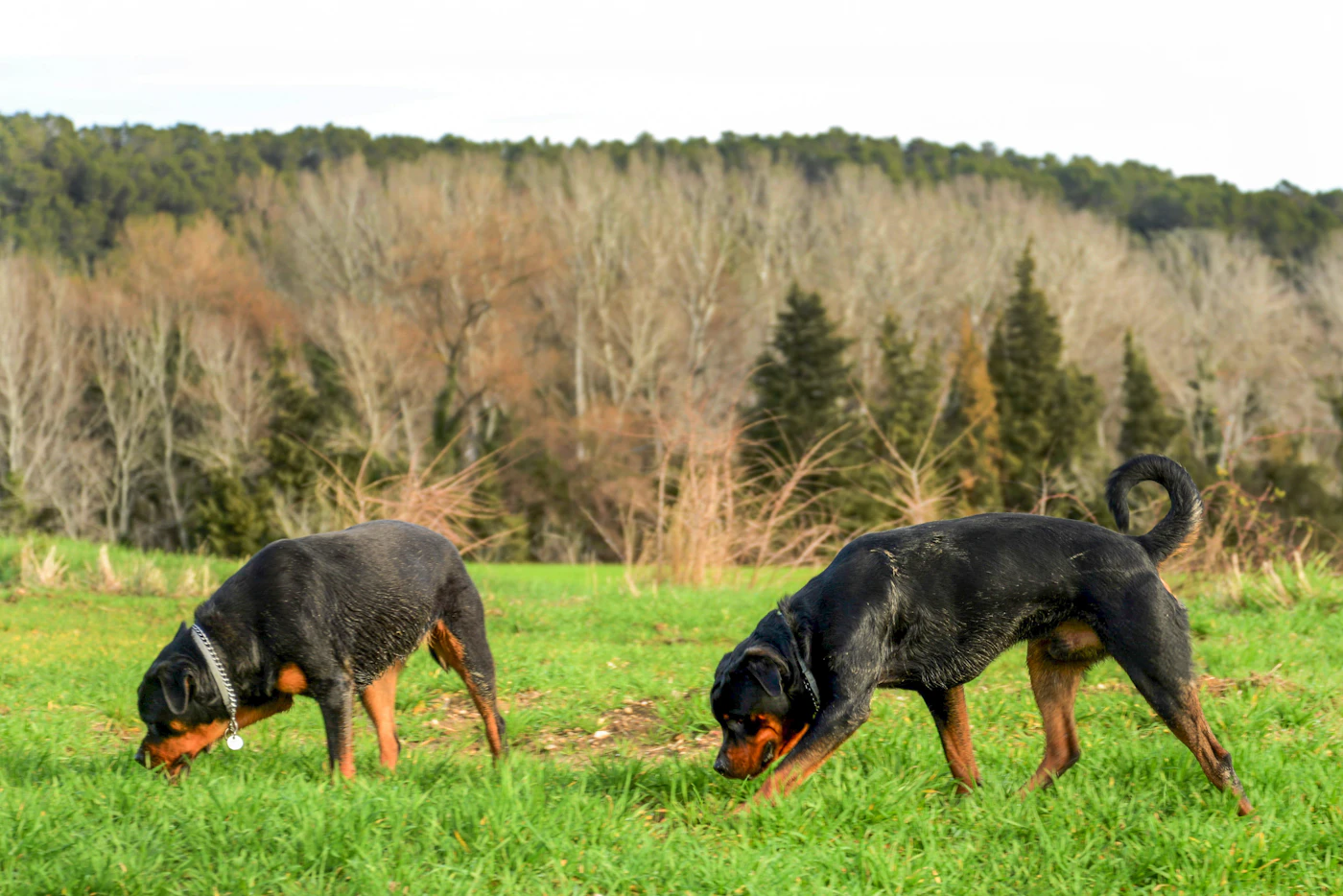

Quick answer: A dog sensory garden is a secure outdoor space that offers safe opportunities to sniff, investigate, move and rest. Start with a clear route, comfortable surfaces, shade and plants checked by exact species. Add one optional feature at a time. A few well-chosen areas can work in a small yard or suitable patio.
You do not need to transform the whole garden or fill it with equipment. The most useful starting point is noticing what your dog already does outside. Do they follow the boundary, pause in shade, look for a place to dig or spend time investigating a particular corner?
What makes a garden enriching for a dog?
A sensory garden provides choices rather than a course your dog must complete. Smells, textures, routes and resting places can offer variety, but an experience only helps if it suits the individual dog.
Battersea’s sensory-garden guidance offers ideas for creating dog-focused outdoor areas. ASPCApro’s sensory-garden resource also describes varied spaces for exploration. This guide adapts the general principles to household gardens without claiming that a particular plant treats stress or a garden replaces exercise.
Think of the garden as one part of your dog’s day. Walks, suitable social contact, indoor rest, training and veterinary care still matter. A secure yard does not automatically supply every need, and an elaborate outdoor setup is not a substitute for observing the dog using it.
Check the site before adding features
Walk the perimeter first. Check gaps, loose panels, unstable gates, sharp edges and places your dog could climb or dig under. Move climbable furniture and planters away from boundaries where they could become escape steps.
Look at the space at your dog’s height. Remove accessible tools, loose wire, discarded plant labels and small components. Check sheds, storage boxes and places where fertilizers, pesticides or other garden products are kept. Follow product directions and keep dogs away as required.
Map sun, shade and hot surfaces across the day. A patio that feels comfortable in the morning may be unsuitable later. Provide a way indoors and do not use an outdoor resting area to leave a dog in unsafe temperatures.
Check every existing plant, not only new purchases. Common names can refer to different species, and a plant described as dog-friendly is not an invitation to eat it. The ASPCA plant database is a useful checking resource, but it is not an exhaustive guarantee for every plant, preparation or exposure.
If you cannot identify a plant, restrict access until you can. For a suspected poisoning or swallowed garden material, contact a veterinarian promptly and retain a photograph or label if safe to do so. Do not experiment with home remedies.
9 dog sensory garden ideas
1. Create a calm sniffing edge
Preserve a safe strip where your dog can investigate familiar outdoor smells. It might run beside an existing border or along a short part of the garden’s interior, away from unsafe plants and boundaries.
Let your dog set the pace. You do not need to bury treats or add strong fragrances to make every corner interesting. Avoid essential oils, concentrated scents or unknown products as sensory shortcuts.
Observe whether the location leads to relaxed investigation or repeated fence-running and barking. A boundary that triggers conflict with neighboring dogs is not an ideal sniff station. Move the route inward or change the view if needed.
2. Use carefully selected plants in stable containers
Containers can organize a small space and make access easier to control. Choose stable pots that will not tip when brushed, and avoid sharp or easily broken edges. Position them so they do not create climbing steps or block a clear route.
The Royal Horticultural Society’s dog-friendly garden advice includes plant-selection considerations. Check botanical identity, the whole plant and any growing products before purchase. If a dog habitually eats plants, physical separation may be the better choice even with species listed as non-toxic.
Offer the scent of ordinary plants from a comfortable distance; do not encourage chewing or dose food with garden herbs. “Natural” does not mean harmless, and a scented plant is not a behavioral treatment. You can create an engaging garden without a dedicated herb bed.
3. Add a short route with comfortable surface changes
A small route can include existing grass, a stable path and another suitable nonslip surface. Keep transitions level or easy to navigate. The aim is a choice of footing, not a balance challenge.
Inspect loose materials carefully. Stones, bark pieces and other landscaping materials may be swallowed or become uncomfortable underfoot. Avoid a material your dog picks up and chews, and do not assume a popular landscaping product suits every dog.
Introduce a new surface gradually with an alternative route available. A dog who hesitates does not need to be pulled across it. Puppies, seniors and dogs with mobility or sensory changes may prefer familiar, even ground.
4. Give digging an appropriate place
If your dog enjoys digging, consider a contained area of suitable clean material in a location where digging cannot damage utilities, foundations or boundaries. Check what is beneath the site before starting any ground work.
Make the edge easy to step over and keep the area free of sharp objects and contamination. Cover or otherwise manage it when not in use if needed, checking the cover itself is safe and inaccessible during play.
Introduce the spot by joining your dog nearby and allowing exploration. You can place a familiar suitable toy at the surface if that helps. Do not deeply bury small objects or create a frustrating excavation task. If the dog eats the substrate, stop and choose a different activity.
5. Design a genuinely comfortable shaded retreat
A sensory garden needs somewhere to do less. Provide shade, airflow, water access and a comfortable resting surface suited to the weather. Check where the shade falls later in the day rather than relying on one morning observation.
Place the retreat away from narrow passages and busy gates. Your dog should not have to monitor every arrival to use it. An outdoor bed must be inspected and cleaned, and should not contain loose filling or chewable parts that make it unsuitable.
Keep access to a safe indoor environment available. Shade alone does not make extreme heat safe, and a bed outside is not a reason to leave a dog exposed to conditions they cannot comfortably manage.

6. Make water access simple; keep water play optional
Fresh drinking water belongs in the basic setup, not as a reward for completing an activity. Use a stable clean bowl in an accessible place, check it frequently and follow any specific veterinary advice for your dog.
Water play is a separate choice. If you use a shallow play container, supervise continuously, ensure easy entry and exit, and stop if your dog is uncomfortable or repeatedly swallowing water during play. Empty and clean it afterward as appropriate.
Do not add ponds or deep containers merely to make the garden more sensory. Open water introduces risks that a small garden may not need. You can provide a varied outdoor space without any water feature beyond drinking access.
7. Set up an easy toy-search patch
Choose a clear safe area and one familiar toy. Place it where it is visible at first, invite your dog to search and reward finding it with play or interaction they enjoy.
Gradually use light concealment behind a safe object or on short grass. Avoid hiding toys inside dense vegetation, around chemicals or where your dog could collide with furniture. Keep children and other dogs from competing over the same object.
This adds an activity without permanently adding equipment. Put the toy away afterward if it is not suitable for unsupervised access. Our sniffing-games guide offers more ways to make searches clear and achievable.
8. Offer a quiet observation point
Some dogs enjoy watching ordinary outdoor life from a comfortable place. That does not require a raised platform: a level bed with a calm view may work better, especially for a dog with mobility limitations.
Avoid viewing areas next to climbable fences, busy pavements or triggers that produce repeated barking. Look at the dog’s behavior rather than assuming a wider view is an improvement.
If watching becomes tense scanning, pacing or vocalizing, change the position or provide visual screening. You are not removing enrichment by reducing a stressful view. You are adapting the space to the dog who actually uses it.
9. Build in route choice and an easy way out
Even a compact area can offer a choice between investigating and resting. Keep a clear path between the door, water, shade and activity spots. Avoid dead ends where one dog can block another.
Do not position every feature in a mandatory circuit. A dog should be able to pass a new surface or plant without being guided through it. Let them return indoors when they choose, within your safe household arrangement.
Route choice also makes maintenance easier. You can close one area for cleaning or plant work while leaving familiar safe access elsewhere. A garden that can adapt is more useful than one complicated installation you cannot manage.
A small-space layout that avoids clutter
Begin with the essentials: a secure perimeter, clear access, water and a suitable resting place. Add one investigation feature along an edge rather than filling the center. Leave enough open space for the dog to turn comfortably.
For a patio, that might mean stable containers behind a barrier, a nonslip route and a shaded bed. For a small lawn, it might be a sniffing edge and a modest digging area. You do not need all nine ideas.
| Space | Sensible starting feature | Important limitation |
|---|---|---|
| Compact yard | Clear route and one sniffing area | Check gates, fence gaps and neighboring triggers |
| Suitable patio | Stable planting and comfortable footing | Monitor heat, drainage and slippery surfaces |
| Shared garden | Portable toy search with permission | Respect other users and remove equipment afterward |
| Balcony | Only a properly secured, suitable resting area | Fall and escape prevention come before enrichment |
| Garden under renovation | One protected familiar route | Keep construction materials and tools inaccessible |
A balcony is not automatically a safe substitute for a garden. If the enclosure, supervision or conditions are unsuitable, choose indoor enrichment and appropriate outings instead. No decorative screen should be treated as a proven dog barrier.

Introduce changes gradually
Add one feature, then observe several ordinary visits. Give your dog time to investigate without luring them into an uncomfortable position. Novelty can be interesting, but it can also make a familiar space harder to use.
Notice voluntary approaches, relaxed movement and the ability to leave. Also notice avoidance, repeated barking, chewing of materials or reluctance to cross a surface. These observations guide changes more reliably than whether the garden looks impressive in a photograph.
If you share the garden with several dogs, introduce features separately first. Food, toys, shade and narrow routes can become contested resources. Provide enough comfortable options and seek professional guidance if you see guarding or conflict.
Keep a simple maintenance check: boundaries, water, plant growth, loose pieces, waste, surfaces and shade. Seasonal changes can alter the risks. A safe plant can grow into a path, a pot can become unstable and an outdoor bed can deteriorate.
What a sensory garden cannot promise
It cannot guarantee a calmer dog, prevent every behavior problem or replace veterinary treatment. Specific claims that an herb cures anxiety or digestive trouble need evidence this garden plan does not supply.
It also does not replace outings for a dog who benefits from exploring beyond the property. Our backyard enrichment guide covers activities for the space you already have, while sniffing walks offer a different environment.
For dogs with pain, restricted movement, anxiety or sensory changes, ask your veterinarian about suitable activities. The right adaptation may be simpler, quieter and more familiar rather than more elaborate.
Frequently asked questions
How big does a dog sensory garden need to be?
There is no universal minimum for adding a useful feature. Work with the space that can be made secure and comfortable. A small sniffing area and shaded rest spot can be worthwhile without calling the entire garden a sensory installation.
Which plants are safe for dogs?
Check the exact botanical species with reputable plant-safety resources and your veterinarian when uncertain. Consider plant parts, treatments and your dog’s behavior. Non-toxic does not mean unlimited ingestion is safe or that the plant suits a dog who eats vegetation.
Will it stop my dog digging elsewhere?
A designated area may offer an appropriate outlet, but it is not a guarantee. Check why your dog is digging, manage access and reward use of the suitable spot. Digging linked to escape attempts or distress needs a different plan.
Can I create one without spending much?
Yes. Begin by improving the existing layout, protecting shade and allowing safe sniffing rather than buying features. Reusing an item still requires checking stability, materials and cleaning. Cheap does not automatically mean safe.
Is it suitable for an older dog?
Potentially, with level access, comfortable footing and easy routes between necessities. Avoid climbing, awkward thresholds and excessive challenge. Ask your veterinarian about adaptations for mobility or health concerns.
Start with one useful change
Choose the part of the garden your dog already enjoys, check its safety and improve access or comfort. Observe the result before adding another feature.
A thoughtful dog sensory garden is not a collection of decorations. It is a space where your individual dog has suitable opportunities to investigate, choose and rest.
Editorial note: This guide draws on the linked welfare, horticultural and plant-safety resources. It does not provide a site-specific safety certification, veterinary treatment or a claim that the pictured gardens were built or tested by Adventure Dog Days.
Featured photograph: Illustrative photograph by Theo Frundt on Unsplash.