
Quick answer: In a KONG vs Toppl comparison, the main choice is usually food access and suitability for your individual dog. The KONG Classic has a narrower main opening and a rounded, stacked shape; West Paw’s Toppl has a more open cup with internal prongs. Neither is indestructible, and neither is automatically best for every dog.
This guide compares the KONG Classic-style food toy with the West Paw Toppl using manufacturer information. It is not a hands-on durability test, a timed feeding experiment or a claim that one product has been personally tested by Adventure Dog Days. Product ranges and instructions can change, so check the exact item before buying.
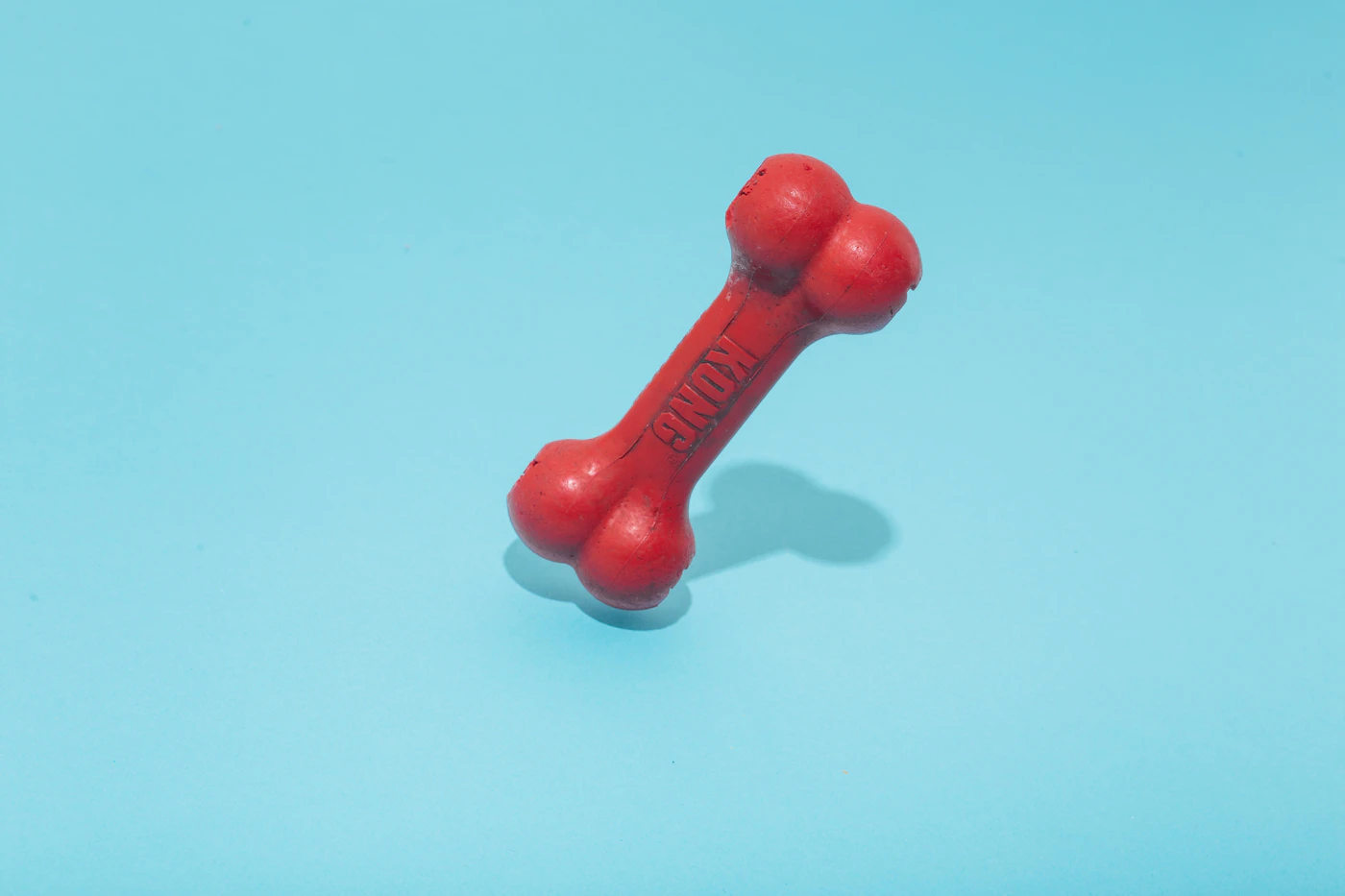
KONG vs Toppl at a glance
“KONG” is a brand with several products and rubber formulations, not one interchangeable toy. Here, the basic shape comparison refers to the familiar Classic design. If you choose a Puppy, Senior or Extreme version, follow that product’s size, use and care guidance rather than assuming every statement about the red Classic applies.
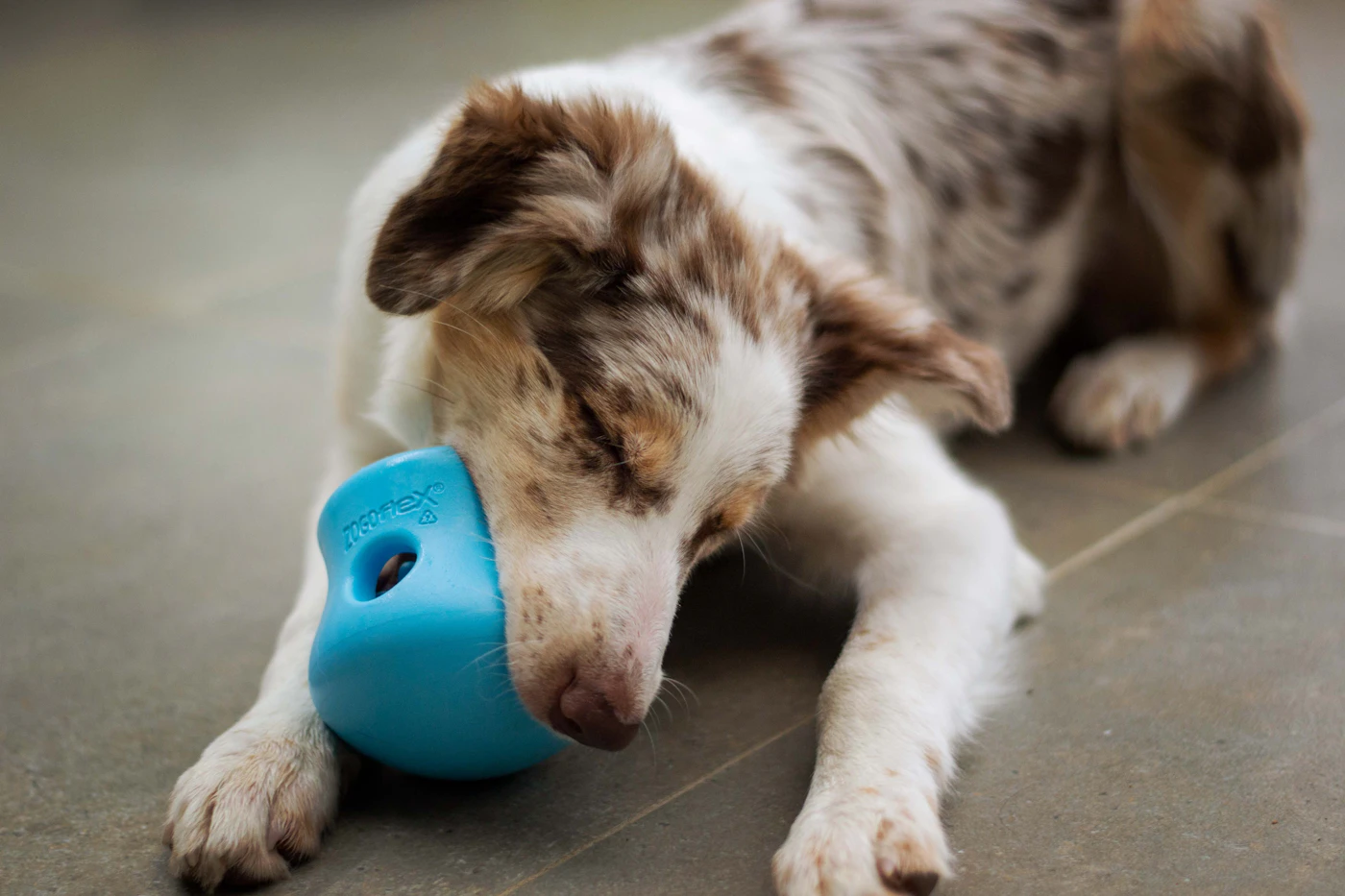
Toppl is part of West Paw’s Zogoflex range. West Paw describes it as a food-dispensing toy for moderate chewers. It should not be treated as a replacement for that manufacturer’s most durable chewing products simply because it is reusable and designed for dogs.
| Feature | KONG Classic | West Paw Toppl |
|---|---|---|
| Main design | Rounded, stacked form with a narrower main food opening | Open cup with internal flexible prongs |
| Starting use | Easy loose or soft food near the opening | Accessible food spread shallowly inside |
| Material description | Natural rubber; other KONG formulations differ | Zogoflex material |
| Difficulty adjustment | Food placement, texture and appropriate preparation | Food placement, texture and compatible interlocking sizes |
| Chewing caution | Choose the correct product and size; inspect and supervise | Manufacturer describes Toppl for moderate chewers |
| Cleaning consideration | Reach the interior and follow the exact product directions | Open access may make inspection easier; follow care directions |
| Main decision | Does the shape and chosen formulation suit this dog? | Does the accessible cup suit this dog’s feeding and chewing style? |
The table describes design and intended use, not proven performance differences. It does not establish which toy lasts longer, takes longer to empty or produces better behavior. Those outcomes depend on the dog, food, preparation, size and supervision.
7 differences that matter when choosing
1. The opening changes the starting experience
The Classic shape gives food a relatively enclosed space accessed mainly through its larger opening. Toppl’s open cup exposes more of the food surface. That difference can affect how easy the first successful lick or retrieval is.
For a beginner, make either option straightforward. Put a small amount of suitable food where it can be reached easily. Do not assume the enclosed shape needs to be packed tightly or the open cup needs freezing before it counts as enrichment.
An accessible cup may be worth considering for a dog who gives up when food is difficult to reach. That is a practical possibility, not a guarantee that Toppl will suit every beginner. Observe your dog rather than choosing only from a comparison label.
2. Shape affects handling and movement
The KONG Classic product information describes its recognizable shape and natural-rubber design. The rounded body can move as the dog interacts with it. Toppl has a cup-like form that presents food differently.
How either toy moves in your home depends on its size, contents and the surface. Do not expect a product to remain stationary on every floor. A nonslip, easy-clean area can make the experience more comfortable.
If your dog has neck discomfort, mobility limitations or a flat face that affects access, ask your veterinarian about suitable presentation. Avoid claiming a shape is medically preferable based on appearance alone. A dog should not have to struggle physically to reach a meal.
3. Materials and chewing suitability are not identical
KONG offers different rubber formulations for different needs. A red Classic should not be described as identical to an Extreme, Puppy or Senior version. Use the manufacturer’s current selection guidance and inspect the actual label.
The Toppl product page identifies Zogoflex construction and moderate-chewer suitability. That is an important limitation when considering a dog who destroys food toys. Do not infer that a thicker-looking wall or a recycling claim proves greater toughness.
No responsible comparison can promise that either toy is indestructible. A dog may damage a toy in ways another dog does not. If pieces are coming off, stop use rather than waiting to see whether the rest survives.
4. Difficulty is adjusted in different ways
For either toy, food placement matters. Loose food near an opening is different from a densely packed mixture, and a small soft portion is different from a fully frozen fill. Start with access, not maximum duration.
Toppl has an additional manufacturer-described option: compatible sizes can interlock. West Paw lists Small with Large, and Large with Extra Large. Check the current instructions for your specific products; do not force incompatible sizes together.
An interlocked setup can introduce a different food-dispensing task, but it is not a required upgrade. Do not increase complexity while your dog is already frustrated with the open toy. Our puzzle-toy guide explains why the right difficulty is the one the dog can use successfully.
5. Available sizes require a real fit check
Both products are offered in multiple sizes, but size names are not equivalent across brands. A “large” in one range is not a universal fit category. Check dimensions, manufacturer guidance and how your dog carries and uses the item.
Erring on the side of a toy that cannot be swallowed is important, but larger is not a complete answer if food becomes inaccessible or handling is awkward. If you are unsure, ask the manufacturer or your veterinarian about an appropriate choice.
West Paw’s help center includes product-selection guidance, including considerations for flat-faced dogs. Treat those details as a reason to examine fit carefully, not permission to assume any open toy will solve every access issue.
6. Cleaning access feels different
Toppl’s open design may make visual inspection of the main food area easier. A more enclosed toy may need a brush and a closer look inside. That is a design observation, not the result of a timed cleaning test.
KONG’s FAQ and West Paw’s care guidance explain cleaning options. Follow the directions for the exact product, including dishwasher placement and any restrictions. A dishwasher-safe label does not remove the need to clear stuck food or inspect damage.
Whatever you choose, wash after food use as appropriate, rinse thoroughly and dry before storage. Check the internal surfaces, openings and crevices rather than judging cleanliness from the outside. If you cannot reliably clean the toy, change the filling or choose another product.
7. Accessories and setup details differ
Toppl’s side opening can complicate filling with a loose mixture. West Paw sells a Toppl Stopper for preparation. The manufacturer says the stopper is not a toy and must be removed before the dog receives the Toppl. Do not leave it attached because it makes serving less messy.
For KONG preparation, follow the instructions for the chosen product and avoid adding makeshift plugs that could be swallowed. Do not obstruct openings with random objects. Preparation convenience should not create an additional ingestion risk.
Accessories are optional, and a simple fill may be enough. Before buying extras, decide what problem you are solving: food leakage during preparation, difficult cleaning or a dog who cannot access the contents are different issues.
Which option fits your dog’s situation?
For a dog new to food toys
Choose the toy you can make easiest while maintaining an appropriate size and safe use. An open, shallow food presentation may help some beginners. A KONG can also be introduced with accessible food at the entrance rather than a challenging packed fill.
Offer a small first session while you watch. The useful question is not which product wins online, but whether your dog can access the food comfortably without biting off material or becoming frustrated.
For a dog who chews intensely
Do not assume either standard product is the correct answer. Check the exact formulation and intended chewing category. Toppl’s moderate-chewer description matters, and the red Classic is not the same as KONG’s other rubber options.
A food toy should not be selected only by how difficult it is to empty. If your dog tears pieces off, removes chunks or tries to swallow the item, stop use and choose a safer activity with professional or manufacturer guidance.
For a dog who loses interest quickly
Make access easier before changing brands. Use an appropriate small portion, keep the first task obvious and try when your dog is comfortable and receptive. Avoid withholding meals to force enthusiasm.
Some dogs prefer searching, movement or social play. Our enrichment without food guide offers alternatives. A food toy can be useful without being the right activity for every dog.
For an owner prioritizing simple cleanup
Look at the actual opening and care instructions before purchasing. Ask whether you can reach the surfaces where your planned food will sit. A toy that suits your cleaning routine is more likely to stay hygienic.
You can also make cleanup easier with simpler fillings. There is no requirement to mix several ingredients, fill every cavity or freeze the toy solid. Our KONG stuffing guide focuses on accessible starting setups and appropriate progression.
Safe filling matters more than the brand
Use foods appropriate to your dog’s diet and account for the portion in the day’s intake. The WSAVA treat-feeding guide recommends keeping treats within a small part of daily calories; using normal complete food may be a practical option depending on your dog’s feeding plan.
Check ingredients every time you buy a filling. The FDA warns that xylitol is dangerous to dogs. Do not assume a familiar-looking peanut butter, spread or “sugar-free” product is suitable. Ask your veterinarian about ingredients when uncertain.
For perishable fillings, follow safe food handling and storage. The FDA’s pet-food handling advice is a useful starting point. Do not leave a forgotten filled toy around the house and assume freezing earlier made it indefinitely safe.
Introduce unfamiliar foods cautiously, and follow prescribed diets. A toy does not make an unsuitable ingredient safe. If your dog has allergies, digestive disease, dental concerns or other medical needs, discuss fillings and presentation with your veterinarian.
A first-session checklist for either toy
Inspect the clean toy before filling. Confirm the size and model, remove all packaging and accessories that are not part of play, and check for damage. Set up on a comfortable floor where you can observe closely.
Use a modest amount of easy-to-reach appropriate food. Offer the toy without forcing interaction. Watch how your dog positions their mouth, whether the toy moves comfortably and whether they target the food or chew the material.
End or simplify the activity if access is too difficult. Do not use your hand to take food from a guarding dog. If possession becomes tense, seek guidance from a qualified reward-based professional rather than repeatedly testing the dog’s tolerance.
Afterward, remove leftovers, clean and inspect again. Store the dry toy out of reach if unsupervised access is not appropriate for your dog. Being home is not the same as actively supervising.
Cost and value: compare the complete setup
Prices, offers and availability change, so this guide does not label one product permanently cheaper. Compare the correct sizes and consider whether you actually need extra accessories.
Think about usable value: appropriate fit, safe interaction, cleaning and how often your dog enjoys the activity. A lower purchase price is not good value if the toy is unsuitable or cannot be kept clean.
There is also no need to own both. Start with one suitable option and learn from your dog’s response. If you later add another, do it for a clear difference in activity rather than a promise of longer occupation.
Frequently asked questions
Is Toppl easier than KONG?
Its open cup can make food more accessible in some setups, but preparation and size matter. An easy KONG fill can be simpler than an interlocked or densely filled Toppl. Compare the actual task, not just the brand name.
Which lasts longer for a strong chewer?
This article has no hands-on durability data and cannot name a winner. Follow the exact product’s intended chewing category, inspect regularly and stop when damage appears. Toppl is described by West Paw for moderate chewers.
Can both be frozen?
Check the current instructions for the specific item and filling. Freezing is optional, not a beginner requirement. Start with a texture and difficulty your dog can access comfortably, especially where dental or feeding concerns exist.
Can I leave either with my dog while I go out?
Do not infer unsupervised suitability from the brand. Follow manufacturer supervision advice and your dog’s history. A dog who damages, swallows or guards a toy needs a different management plan. A food toy is also not a treatment for separation-related distress.
Do I need the Toppl Stopper?
No. It is a preparation accessory, not a required part of play. If used, remove it before offering the toy, as West Paw instructs. Never substitute another detachable object and leave it with the dog.
Is a lick mat an alternative?
It can offer a different food-access experience, but it also needs appropriate materials, ingredients, cleaning and supervision. See our lick-mat guide and snuffle mat versus lick mat comparison for other formats.
Choose for the dog, not the winner label
Use the comparison to narrow the decision: appropriate size and chewing category first, accessible food and cleaning second, optional complexity later. There is no meaningful universal winner without knowing the dog and the setup.
A successful choice is a toy your dog can use comfortably and safely as part of a varied routine—not one that simply looks most challenging.
Editorial note: This comparison is based on the linked manufacturer information and food-safety resources, checked in November 2026. It contains no invented product testing, durability measurements or personal-use claims. The photographs are illustrative, not evidence of comparative testing.
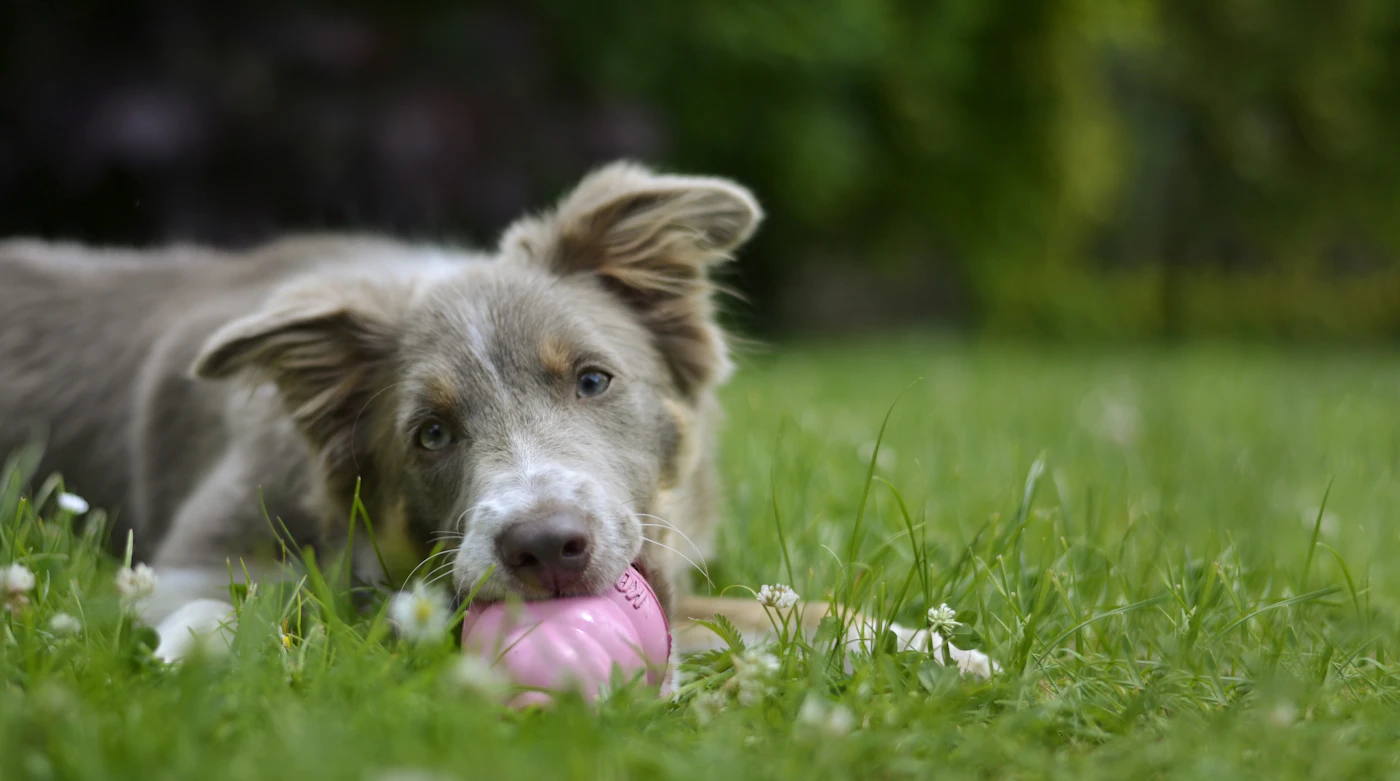
Featured photograph: Illustrative photograph by Ayla Verschueren on Unsplash.