

Quick answer: sniffing games for dogs are simple activities that encourage your dog to locate food, toys or people using their nose. Start with obvious searches, reward success and increase difficulty one step at a time.
Dogs already use scent to understand their environment. A good scent game simply gives that natural behavior a clear, safe job.
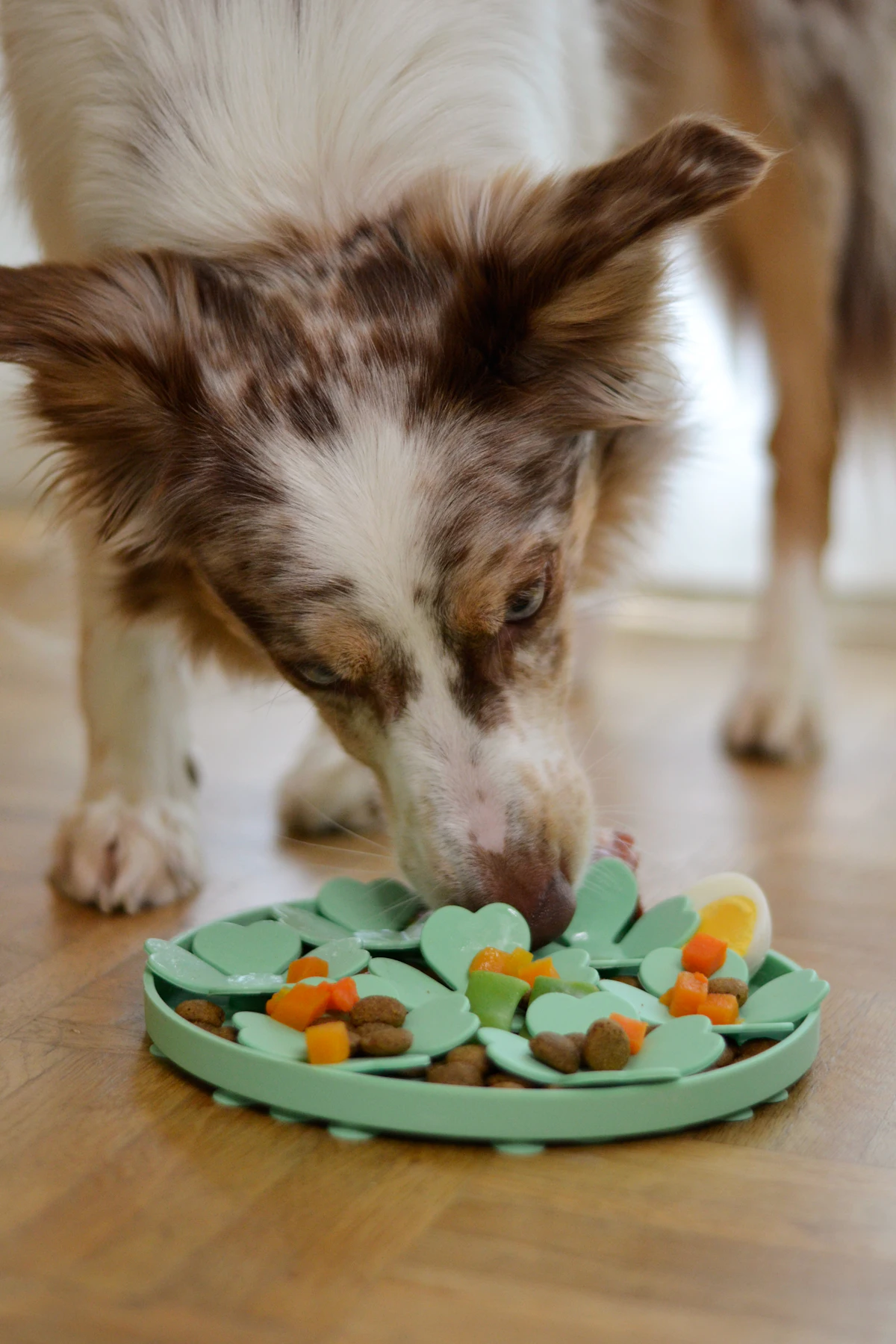
Why sniffing games are useful
Scent games can add mental work without demanding high-impact exercise. They are especially useful indoors, on bad-weather days and for dogs that enjoy searching more than repetitive fetch.
They can also be adapted for puppies, adult dogs and seniors by changing search distance, hiding height and environmental complexity.
What you need
- Small food rewards or part of a normal meal
- A quiet room or secure outdoor area
- Optional boxes, cups or toys
- A dog that is comfortable working for the chosen reward
1. Treat toss
Toss one treat a short distance where your dog can see it land. Say “find it” as the dog moves toward it. This teaches the search cue with almost no frustration.
2. Scatter search
Scatter a small amount of dry food across a safe surface and let your dog search naturally. Start in a compact area before spreading food farther apart.
3. One-room hide
Place several treats around one room at easy nose height. Let your dog watch the first few placements, then begin hiding them out of direct sight.
4. Box choice
Place three open boxes on the floor and put food in one. Allow your dog to investigate freely. Once the dog understands the game, change the food box between repetitions.
5. Cup search
Hide food beneath one sturdy cup while your dog watches. Add a second empty cup only after the dog understands how the game works.
6. Towel sniff
Loosely fold or roll a towel around a few pieces of food. Supervise closely and skip this game for dogs that chew or swallow fabric.
7. Toy search
Hide a favorite toy partly in view. Encourage your dog to search, then celebrate when they locate it. Over time, hide more of the toy.
8. Short scent trail
Create a line of tiny food rewards or drag a favorite toy across the ground, ending with a larger reward. Keep the first trail straight and obvious.
9. Hallway search
Place rewards along a hallway at increasing distances. This is a useful bridge between visible searching and hidden searching.
10. Find a person
Have a familiar person hide in an easy location while another person releases the dog. Reward the dog for finding them.
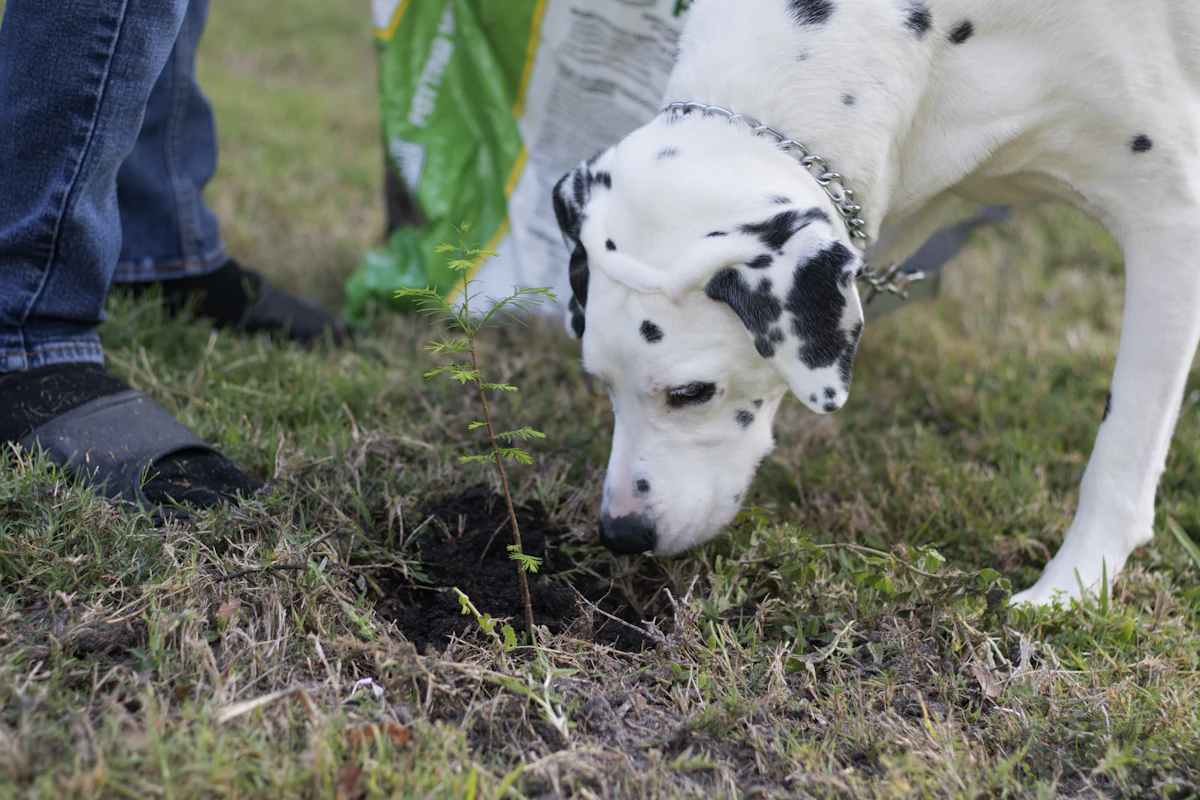
11. Garden scatter
In a secure yard, scatter part of a meal across clean grass. Avoid areas treated with unsafe chemicals or containing hazards.
12. Cardboard landscape
Place several open boxes around the room, some empty and some containing food. Let your dog move among them and investigate with their nose.
13. Room-to-room search
Once one-room searches are easy, hide rewards across two connected rooms. Keep some locations easy so the dog continues to succeed.
14. Named-object search
Teach the name of one toy first. Once the dog reliably identifies it, place the toy among familiar objects and ask them to find it.

15. Beginner container scent game
Place food inside one ventilated dog-safe container among several identical empty containers. Allow your dog to investigate without correction and reward when they indicate the correct container.
How to increase difficulty
Change only one variable at a time:
- Increase distance.
- Add one extra hiding place.
- Move from one room to two.
- Raise or lower the hiding spot slightly.
- Add mild environmental distractions.
If you change several variables at once, the jump in difficulty can be much larger than it seems.
How long should sniffing games last?
Short sessions are usually best. Five to fifteen minutes is plenty for many dogs, especially beginners. End while your dog is still engaged rather than waiting until interest disappears.
Signs the game is too hard
Simplify if your dog repeatedly looks to you for help, starts barking at the setup, disengages, becomes frantic or begins destroying the search materials.
Best sniffing games by situation
| Situation | Good starting game |
|---|---|
| Beginner | Treat toss |
| Rainy day | One-room hide |
| Small apartment | Cup search |
| Secure yard | Garden scatter |
| Non-food-motivated dog | Toy search |
| Senior dog | Easy floor-level search |
Safety tips
- Supervise cardboard and fabric.
- Use food that fits your dog’s normal diet.
- Keep search areas free of small swallowable objects.
- Avoid hiding food near cleaners, electrical cords or unsafe plants.
- Use low-impact searches for dogs with mobility limitations.
What to try next
Pair scent games with a sniff-focused walk, our 30 Dog Enrichment Ideas guide or a DIY snuffle box.
Further reading
The American Kennel Club’s indoor scent-games guide offers additional beginner scent-work ideas.
Frequently asked questions about sniffing games
Do sniffing games tire dogs out?
Scent work can be mentally engaging and may leave some dogs ready to rest afterward, but it should not be treated as a guaranteed substitute for appropriate physical exercise.
Can puppies do scent games?
Yes, if the searches are short, easy and safe. Use obvious hiding spots and avoid expecting long concentration from a young puppy.
Can senior dogs do nose work?
Often yes. Floor-level scent searches can provide low-impact engagement. Modify the setup for mobility, vision and medical needs.
Should I use a cue such as “find it”?
A cue is useful but not essential. Pairing a consistent phrase with easy searches can help your dog understand when a search begins.
What rewards work best?
Use something your dog already values. For many dogs, small pieces of normal food work well. Toy-motivated dogs can search for a favorite object instead.
A simple progression from beginner to advanced
Begin with visible food, move to one easy hidden reward, then several hides in one room, then two rooms, then mild distractions. Progressing in small steps makes it easier to see exactly when a task becomes too difficult.
From sniffing games to beginner nose work
There is an important difference between casual food-search games and formal scent work. In everyday sniffing games, the reward itself is often what the dog is locating. In organized scent work, the dog learns to find a target odor and communicate that find to the handler. You do not need to jump to formal odor training to give your dog useful scent-based enrichment.
The AKC scent-work introduction explains how detection-style games build around a dog’s natural ability to search. For most households, the safest starting point is still simple: visible food, then easy hidden food, then more complex search areas only after the dog understands the task.
How to read your dog during a scent game
Look for a dog that investigates with interest, keeps working without becoming frantic and can stop when the session ends. If your dog scratches aggressively at containers, bites equipment, repeatedly abandons the search or looks distressed, reduce the difficulty. Search games should build confidence through success.
Keep the environment part of the challenge
A search that is easy in a quiet living room may be difficult in the yard because wind, wildlife scent and background noise add complexity. Change one variable at a time. Moving the same game to a new location can be enough of a progression without hiding the reward any more deeply.