
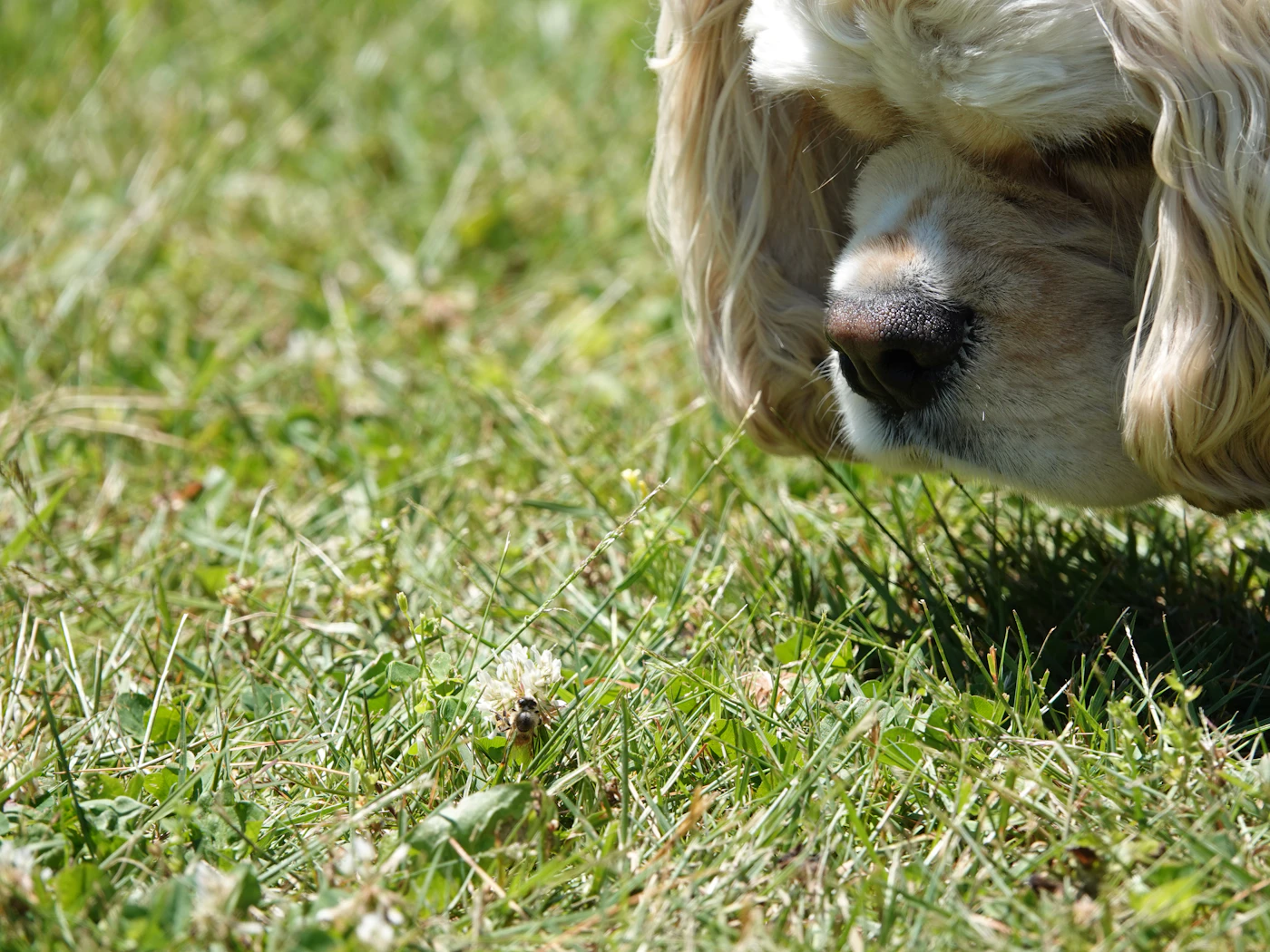

Quick answer: Dog enrichment without food can include sniffing walks, familiar-toy searches, shared play, gentle training, safe exploration and choices about social contact or rest. Start with an activity your dog already enjoys, make participation optional and adapt it to their health. You do not need extra treats—or a complicated setup—to make an ordinary day more interesting.
Food puzzles are useful for many dogs, but they are only one part of enrichment. You may want variety, fewer snack calories, a simpler cleanup or something that suits a dog who prefers toys and exploring. The aim is not to prove that your dog can work without rewards. It is to notice which experiences are rewarding to them.
What counts as non-food enrichment?
An activity is enriching when it offers a suitable opportunity to investigate, choose, play, learn or interact. The absence of food does not establish that an activity is useful. A noisy toy that worries a dog is not improved by being calorie-free.
Think in terms of opportunities rather than products. A change of walking route can offer new smells. A familiar toy can become a simple search. A quiet invitation to interact can provide social contact without forcing petting or play.
Dogs Trust’s enrichment guidance includes sensory exploration and toy searches alongside food activities. Our beginner enrichment guide explains the broader types. Here, we focus on choosing and organizing non-food options in everyday life.
Removing treats should never mean withholding meals, water or normal care. If your dog has stopped eating or suddenly lost interest in activities, contact your veterinarian rather than assuming they simply need a more creative game.
Find a reward your dog actually values
Watch what your dog chooses when the situation is comfortable. Do they carry a toy toward you, linger at a scent patch, invite a gentle game or settle beside a familiar person? Those observations are a starting point, not permanent labels.
Preferences change with context. A dog may love tug in the afternoon but prefer sniffing after an exciting visit. An older dog may still enjoy a toy but need it presented closer. A dog who declines petting may welcome company without touch.
Try a small invitation, pause and allow a response. If the dog moves away, respect it. Do not keep presenting the same toy or repeatedly calling them back until they participate. Choice is valuable partly because the dog can say no.
For teaching new skills, food may still be an appropriate reward. AVSAB recommends reward-based training; that does not require removing a useful reinforcer to make a session seem more advanced. Use non-food rewards when they are effective and comfortable for the dog.
12 ideas for dog enrichment without food
These activities are alternatives, not a daily checklist. Choose one or two that fit your dog’s interests and your environment. Begin with a simple version and observe both engagement and recovery afterward.
1. Take a dog-paced sniff walk
Choose a safe, permitted route and allow time for investigation rather than focusing only on distance. Keep a controlled leash and avoid hazards such as traffic, unknown plants and contaminated water.
You can offer small choices within safe boundaries: which side of a path to investigate or whether to pause. Our sniff-walk guide covers balancing exploration with leash management.
2. Hide one familiar toy
Show your dog a toy they enjoy, then place it partly behind a cushion while they watch. Invite them to find it and reward discovery with a short game or access to the toy.
Increase concealment slowly. Do not begin with an entire house search or a hiding place that requires climbing. A visible corner can be enough to create a successful first puzzle.
3. Rotate a small toy selection
Put away some safe toys and offer a few with different play functions. Keep a favorite comfort item available if your dog values it. Change one or two items at a time rather than presenting a huge pile.
Inspect toys as you rotate them. Loose stuffing, torn fabric and damaged rubber can change suitability. Rotation is also an opportunity to notice what the dog actually uses.
4. Offer a cooperative tug game
Use an appropriate toy that leaves room between hands and teeth. Keep movement low and avoid lifting or swinging the dog. Add brief pauses and a practiced trade so the game has a manageable rhythm.
Restarting play can be rewarding after a comfortable release. If excitement turns into grabbing clothing or rough contact, lower the intensity or choose another activity rather than escalating corrections.
5. Play an easy person-finding game
Have a helper stay calmly with the dog while you move a few steps behind an open doorway, remaining partly visible. Call once and offer a welcome your dog enjoys when found.
Skip hiding if the dog becomes distressed when a person disappears. Our hide-and-seek guide explains safe progressions and visible alternatives.
6. Explore a different safe surface
Offer a stable rubber mat, a familiar blanket laid flat or another safe texture on secure footing. Let the dog investigate voluntarily. Keep all four paws near floor level and allow space to avoid the new surface.
There is no need for unstable cushions, elevated platforms or forced balancing. The sensory difference can be interesting without becoming a physical obstacle.

7. Give toy play a simple learning goal
Ask for a familiar hand target before presenting a toy, or practice a known release before restarting play. Keep the skill easy enough that it does not create prolonged frustration.
This is not a demand that the dog earn every pleasant interaction. It is an optional way to combine shared play with a small amount of learning. End while both parts remain enjoyable.
8. Invite social contact without insisting
Sit nearby, offer a gentle invitation and pause. If your dog approaches comfortably, provide the kind of interaction they usually enjoy. Stop periodically so they can choose whether to continue.
Not every dog wants a hug, face-to-face attention or repeated touching. Calm company can be useful social enrichment without physical contact. Keep children supervised and respect resting spaces.
9. Create an observation spot that stays comfortable
A safe place near ordinary household activity may suit a dog who likes watching people. A window can also be interesting, but it is not automatically beneficial.
If the location produces repeated barking, frantic scanning or prevents sleep, change the view or choose a quieter spot. Do not assume constant visual stimulation is better than a calm environment.
10. Make a short exploratory outing
Visit a quiet, dog-permitted location with manageable transport and an easy way to leave. A different patch of grass or a calm path may provide enough novelty; a crowded event is not necessary.
Watch whether the dog can investigate comfortably. If they repeatedly avoid, freeze or try to leave, increase distance or finish. Exploration should not become forced exposure.
11. Use a safe digging opportunity
For dogs who naturally enjoy digging, a secure, supervised area with suitable material can provide an outlet. Check for sharp objects, chemicals, buried cables and escape routes before allowing access.
Do not assume every dog will enjoy a sandpit or that digging will stop elsewhere automatically. Keep the area clean and prevent swallowing material. If the dog eats sand or soil, choose another activity.
12. Let the dog choose a quiet finish
Offer access to a comfortable resting place after an activity. Keep water available and reduce unnecessary interruptions. Some dogs benefit from an easy transition rather than another game.
Rest is not an enrichment failure. A satisfying day includes appropriate opportunities and recovery, not a requirement for constant entertainment. Notice whether your dog can disengage and settle normally.
Choose an activity by the need—not by the label
Dog enrichment without food works best when it meets a current preference. The same activity can feel different after a busy outing, a quiet morning or a disrupted night’s sleep.
| What you notice | Non-food option | What to avoid |
|---|---|---|
| Dog brings a toy | Brief shared play | Ignoring signs the game became too rough |
| Dog investigates every scent | Safe sniff outing | Dragging past every stop |
| Dog wants company | Quiet, optional interaction | Forced touching |
| Dog enjoys searching | Partly hidden familiar toy | Difficult, inaccessible hiding places |
| Dog is already overwhelmed | Familiar surroundings and rest | Adding more novelty |
| Dog dislikes toys | Exploration or social choice | Repeatedly pushing toy play |
Use the table as a starting point rather than a diagnosis. Restlessness can reflect unmet needs, discomfort, distress or fatigue. A new or persistent change in behavior deserves appropriate assessment.
Build a simple non-food routine
Choose three reliable options: one sensory activity, one shared activity and one quiet finish. For example, a short sniff outing, a few toy-search repetitions and uninterrupted rest can form a workable sequence.
You do not need to use all three every time. On a busy day, one successful opportunity may fit between normal care tasks. On another day, your dog may prefer a longer outing and little additional play at home.
A practical test is whether the activity is easy to start, safe to supervise and simple to end. If it requires elaborate preparation that rarely happens, simplify the setup. Consistency often depends on making the routine manageable for the person too.
Our daily enrichment routine helps combine different activity types. Keep appropriate food activities if your dog enjoys them; adding non-food options does not require abandoning something that already works.
Adapt for age, health and temperament
Puppies need gentle novelty, safe play and plenty of sleep. Avoid repetitive jumping, long drills and expectations of prolonged concentration. A short investigation or visible toy search may be enough.
Older dogs may enjoy familiar activities with reduced physical demands. Bring the toy closer, keep routes level and provide secure footing. Cornell’s senior-enrichment guidance is a useful reference when adapting opportunities for an aging dog.
For worried dogs, predictable surroundings and choice may matter more than variety. Do not assume a sensory activity treats anxiety. Consult a veterinarian or qualified reward-based professional when fear, panic or unsafe behavior affects daily life.
Dogs on exercise restriction need an individualized plan. A game described as “mental” may still involve movement, twisting, gripping or excitement. Ask your veterinarian which activities fit the actual restriction.

Common mistakes to avoid
The first mistake is replacing food with pressure. If the dog is not motivated by the offered play or praise, repeating a cue more firmly does not make it rewarding. Change the activity or use an appropriate reinforcer.
Another is equating novelty with benefit. New sounds, scents and objects can be interesting, but they can also be unsettling. Introduce one modest change and watch the dog instead of creating a busy sensory display.
Finally, avoid using non-food enrichment as a way to leave needs unaddressed. It does not replace nutrition, exercise, toilet access, social contact or treatment for a health problem. Variety should support the routine, not conceal a gap in care.
Frequently asked questions
Is enrichment without food good for dogs on a diet?
It can add enjoyable options without extra snack calories. However, diet plans should still provide adequate nutrition and suitable feeding opportunities. A measured portion of normal food can also be used for enrichment with veterinary guidance where needed.
What if my dog is not interested in toys?
Try scent exploration, quiet companionship, safe changes of environment or an easy surface investigation. Some dogs prefer activities other than toy play. Sudden loss of interest across many activities deserves veterinary attention.
Can praise replace food in every training session?
Not necessarily. A reward must matter to the individual dog in that context. Praise, play and access to sniffing can be useful, but some learning tasks are easier with food. Choose effective reward-based teaching rather than a rigid no-treat rule.
How much non-food enrichment should I offer?
There is no universal quota. Start small, observe the dog’s response and balance opportunities across the whole day. A comfortable short activity is more useful than a long session of disinterest or overexcitement.
Is a tired dog always a satisfied dog?
No. Physical fatigue, stress and healthy satisfaction are not identical. Look at the quality of engagement, comfort and recovery rather than aiming only for exhaustion.
Start with one preference
Pick something your dog already chooses, make a safe version available and watch what happens. Keep the successful options simple enough to repeat. The strongest plan for dog enrichment without food is not the longest list; it is a small collection of experiences that fit your dog.
Editorial note: These are general activity ideas, not individualized veterinary or behavior treatment. Seek appropriate advice for illness, pain, guarding, persistent fear or sudden changes in engagement.
Featured photograph: Illustrative photograph by Charles Nouwen on Unsplash.